June once again saw the Coach Development Team out and about across the country and engaging in a range of activities. As always, the team remain committed to their club visits, coach education and CPD delivery to improve partnerships and coaching across the country.
Steve Brunskill’s June Club Visits
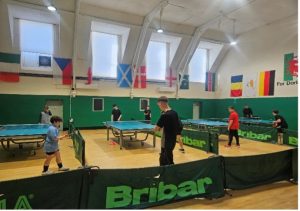
June started for Steve with a visit to Barnsley Table Tennis Club. It was fantastic to spend time with Joe Race and observe one of the club’s coaching sessions supported by Ben Barlow, who was working extensively with the younger players through multiball training. The club has developed a wonderful atmosphere, with memorabilia, shirts, photographs and displays celebrating its history and community. Joe’s passion, commitment and tireless work continue to make the club a fantastic example of what can be achieved through dedicated volunteers and quality coaching.
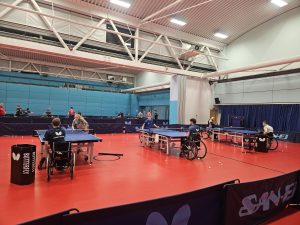
The following day was spent with the GB Para Table Tennis squad at the English Institute of Sport in Sheffield, meeting with players, coaches and support staff.
The visit provided an invaluable opportunity to learn more about the different wheelchair classifications, the unique challenges athletes face and the coaching adaptations required across the sport. With many of Britain’s leading para players preparing for international competition, including events in China and the final event in Thailand where 14 athletes will compete for a chance to qualify for the World Championships.
It was a fantastic opportunity to gather information, capture video footage and begin developing future coach education resources focused on para table tennis.
As part of Steve’s club visits, he also visited Nottingham Table Tennis Club, based at the excellent table tennis facility at Carlton le Willows Academy.
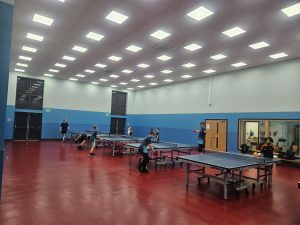
The club has established an impressive community programme, providing opportunities for players of all ages and abilities through a wide range of coaching and playing sessions. The dedicated facility, with 14 tables, creates an outstanding environment for both participation and performance.
On arrival, all 14 tables were in full use with a thriving junior session led by Harvey Stevens. The atmosphere was energetic, welcoming and fun, with players clearly enjoying themselves while developing their fundamental skills through engaging activities.
As the first session came to an end, the hall was quickly transformed to cater for different groups. One half became home to an advanced youth training session, where players preparing for upcoming competitions were put through a challenging programme under the guidance of Ben Robertson. On the other side of the hall, the club’s popular adult Bat and Chat session was underway, providing a relaxed and sociable environment for recreational players.
It was fantastic to see a club successfully catering for every stage of the player pathway within the same venue. From young beginners taking their first steps into the sport, to ambitious competition players and adults simply enjoying the social side of table tennis.
Nottingham TTC has created an inclusive environment that genuinely offers something for everyone. The seamless transition between sessions and the positive culture throughout the club reflected the hard work and commitment of the coaching team and volunteers.
Steve returned once more to Northfield Table Tennis Club, where Head Coach Terry Murphy invited Steve to see the progress of several talented young players.
Having visited the club previously, it was extremely pleasing to witness the improvements that had been made. The club continues to grow, with excellent support from parents and volunteers, while Terry’s enthusiasm and commitment are helping to create an exciting environment for young players to develop.
Aad Kwakkelstein’s June Club Visits
Cippenham Table Tennis Club has long been recognised as a thriving, volunteer-led hub for junior development. Based at its own dedicated venue at The Westgate School, the club combines a busy coaching programme, a welcoming atmosphere and a strong sense of community. Its continued success is built on committed volunteers, experienced coaches and a clear desire to help young players progress.
My first visit to the club on 20 April highlighted both the strength of that environment and the importance of planning ahead. The evening showed the depth of Cippenham’s junior pathway, from beginner and intermediate groups through to more advanced players, with three enthusiastic parent helpers — Jiothy, Randall and Amit — already supporting delivery by feeding and assisting in sessions.
That first visit also led to an important conversation with Head Coach Ken Phillips about the club’s future coaching needs. Cippenham benefits from a highly experienced volunteer coaching team, but Ken is rightly thinking about succession and long term sustainability. With the current model depending heavily on a small group of dedicated volunteers, developing new coaches from within the club is a natural and positive next step.
On 17 June 2026, Aad returned to Cippenham as part of his role as Coach Developer for Table Tennis England to follow up on that discussion and support the club in building its next generation of coaches. The focus was on guiding the three helpers to see a clear pathway from informal support into structured coaching, while also recognising the value of the experience they are already gaining in the club environment.
A key outcome is that all three are now enrolled on the Coaching Assistant Qualification, with Randall and Amit joining the May cohort, and Jiothy joining the June cohort. Ken has also started involving them in the Advanced Wednesday session, giving them practical experience alongside their formal learning. This combination of course learning, mentoring and real session involvement gives the helpers a strong foundation on which to grow.
For Cippenham, this is about more than filling coaching gaps. It is about protecting the club’s volunteer ethos, creating continuity for players and parents, and building a sustainable coaching pathway for the years ahead. By investing in Jiothy, Randall and Amit, and by supporting Ken’s succession planning, the club is taking a thoughtful and practical step towards a stronger long term future.
One of this month’s club visits took Aad to Broadland Sports Centre in Great Yarmouth, where he observed an energetic evening of coaching led by Ernie George, supported by Thomas Barwick. The visit reflected a welcoming programme with a clear emphasis on structure, enjoyment and player development.
Before the group session, Ernie worked one-to-one with Eva, who was fully engaged throughout. Her session covered rallying, footwork, serve practice and return-of-serve, with Eva responding well and clearly enjoying the experience.
At 6pm, the group session began with support from Thomas, a recently qualified coach. It was well organised, starting with a side-stepping warm-up before moving into technical and footwork drills, including backhand–forehand combinations, middle-table transitions, and serve-and-receive scenarios. A noticeboard at the entrance of the leisure centre showing rally records and side-stepping scores added a useful motivational touch.
Matchplay followed, using a variety of rules to keep players motivated, before finishing with a top-table format. The atmosphere remained positive throughout, with players engaged, active and working hard.
The evening concluded with a productive discussion with Ernie about future opportunities, including regional coaching, online workshops and the new coaching course setup.
Overall, Broadland Sports Centre is building something meaningful: a friendly, structured environment where young players can develop and emerging coaches can gain valuable experience.
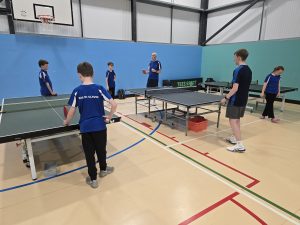
Aad’s visit to Kingfisher TTC in Reading on Wednesday 17 June offered a valuable insight into the club’s coaching culture and the high standards maintained in the training hall. Kingfisher is one of Table Tennis England’s Pathway Development Centres,
reflecting its role in supporting talented young players within the national pathway. The session began with a focused series of ladder drills, setting an energetic tone and immediately highlighting the structured approach that characterises Kingfisher’s coaching.
Throughout the evening, Ajay Naik stood out for his calm, composed and focused approach. He consistently offered clear coaching points and individual guidance, while maintaining a positive and purposeful atmosphere in which every player felt supported. His presence is a real asset to the club.
The hall itself tells a story of excellence. Photos of former Kingfisher players, including Matthew Syed, his coach Peter Charters and many others line the walls, reminding current juniors of the club’s rich history and inspiring them to aim high.
The session then progressed through footwork patterns, including X’s and H’s, service practice, and a deliberate adjustment drill. In this drill, the blocker was not simply passive: the ball was intentionally bounced on the blocker’s own half, forcing the player playing with side spin to adjust their distance from the table. This made the exercise both more demanding and more enjoyable. All players in the session were of a good standard, ranked highly for their age groups, and showed impressive intensity throughout their training. Although exam season had reduced the number of players attending, those present made excellent use of the extra space, enjoying smash-and-lob rallies before finishing with a lively team competition on one table.
The session was also well supported by Raj and Huang. Raj’s wider contribution to the club was clear, particularly through his involvement in organising internal competitions for Kingfisher members.
Overall, Kingfisher TTC is clearly in very good hands, with Ajay’s leadership playing a significant part in that success.
Army programme takes on Coach Assistant course
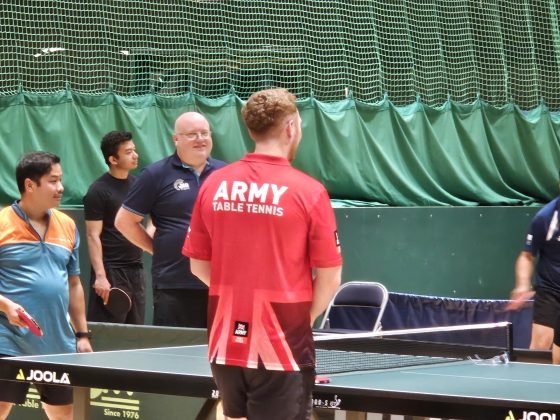
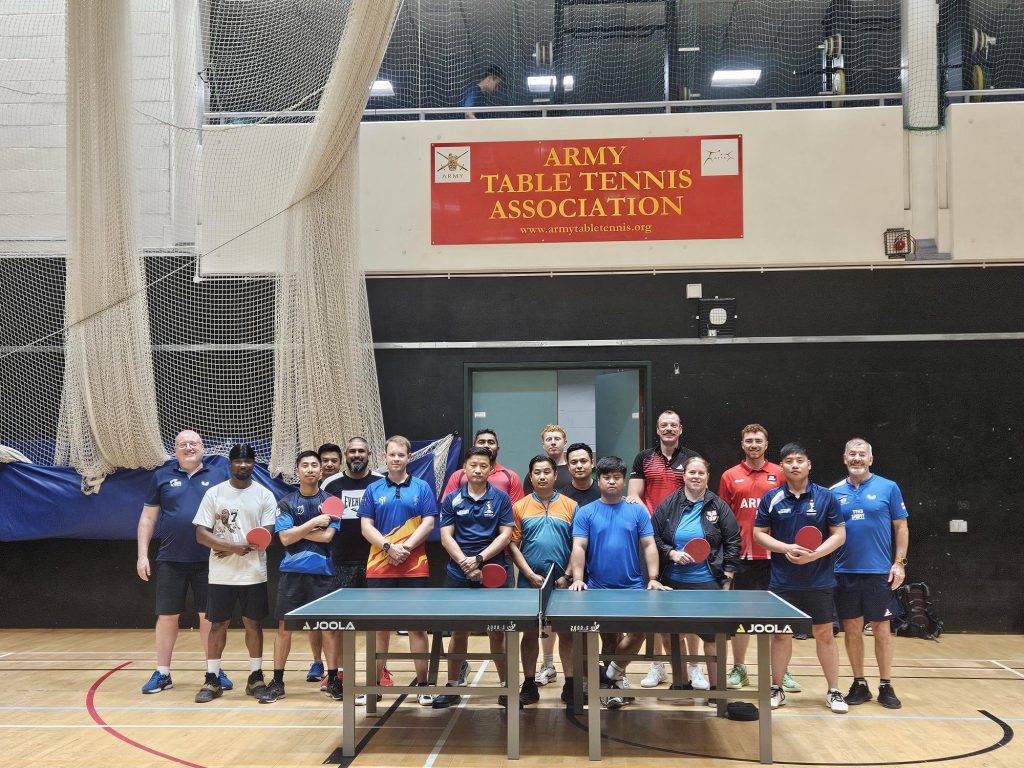
The two Table Tennis England Coach Developers, Steve and Aad, joined forces and travelled to the Army Garrison in Aldershot to deliver a bespoke two-day Assistant Coach programme for Army personnel. Seventeen participants took part across the two days, covering practical coaching, technical development, session planning, officiating, serving rules and coaching methodology through a variety of practical activities and game-based learning. The enthusiasm, professionalism and willingness to learn shown by the group made for an outstanding course, and we look forward to continuing to support the Army’s coach development programme in the future.
Latest news