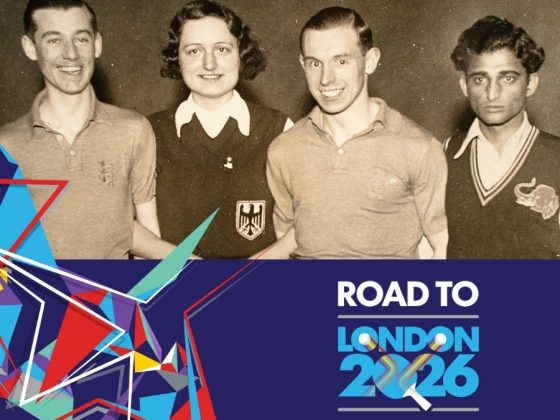
In the latest instalment of our series on England’s World Championships performances over the years, Diane Webb (Chair of Archives, Museum and Records Committee) looks at the year of two World Championships – 1933.
Keep an eye on our website and social media platforms for a host of features in our Road to London 2026 series – and click below to secure your tickets for London 2026.
Baden bei Wien, Austria (January-February)
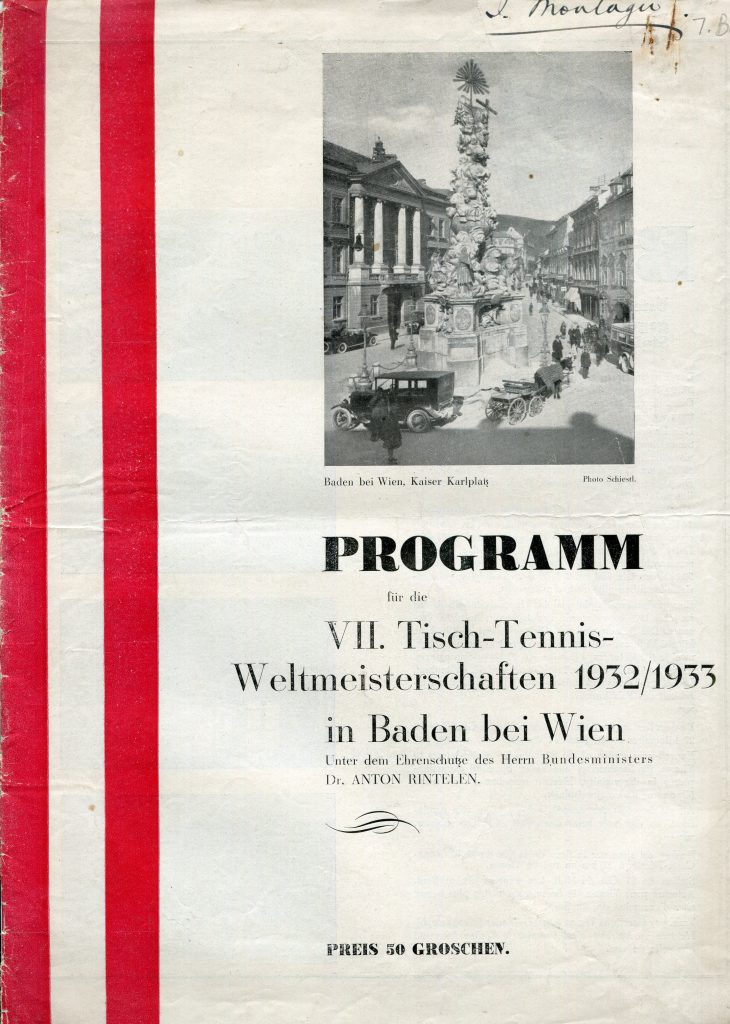
Trials throughout England were held from November 1932 to January 1933 with the final trials on 8 January at the Friars Hall, London. Play started mid-morning and went on until past midnight with each player playing eight matches.
The final selection was: Alec Brook (his first appearance), Adrian Haydon, David Jones, Andy Millar and Edward Rimer. Ivor Montagu as the npc. There were several other players who accompanied the team: Leslie Roberts and his sister, Daphne, Eric Findon, Morris Rose, AJ Wilmott and Herbert Bridge.
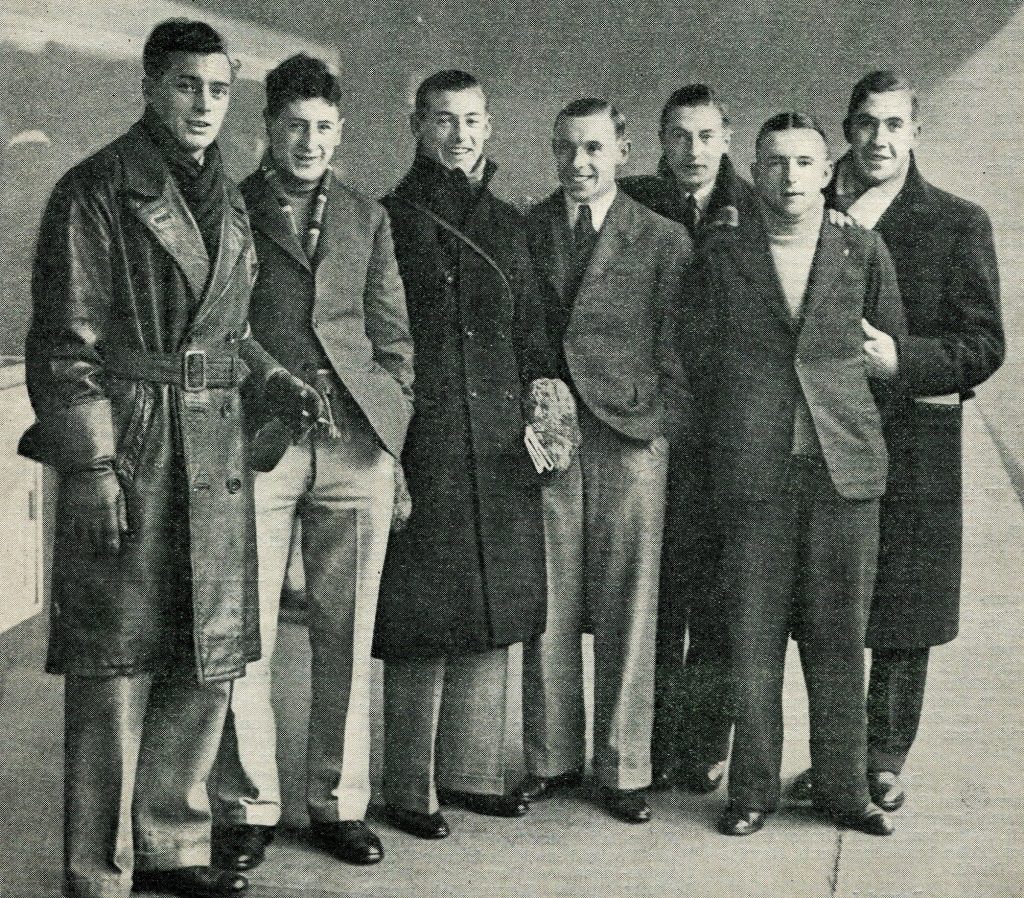
The Welsh team travelled to London on 26 January where they met up with the All India and England players for their onward journey to Baden. H Roy Evans in the Welsh publication Table Tennis Wales describes the journey: “Twenty-seven hours on the hard seats of a continental train have left too painful a memory to be recalled with much pleasure.
“Morning saw snow-covered mountains and woods of Bavaria, and we were delighted with occasional glimpses of skiing and tobogganing near the villages we rushed through. We crossed the frontier at lunchtime, and soon after entered the valley of the Danube, to follow the great river’s course for miles into Austria. Darkness had again fallen by the time we reached Vienna, where we were met by excited officials of the Austrian Association, who whisked us across the snow-covered town to another station. We fell in with the Germans on the train to Baden, which we reached about 9.30pm on Sunday night”.
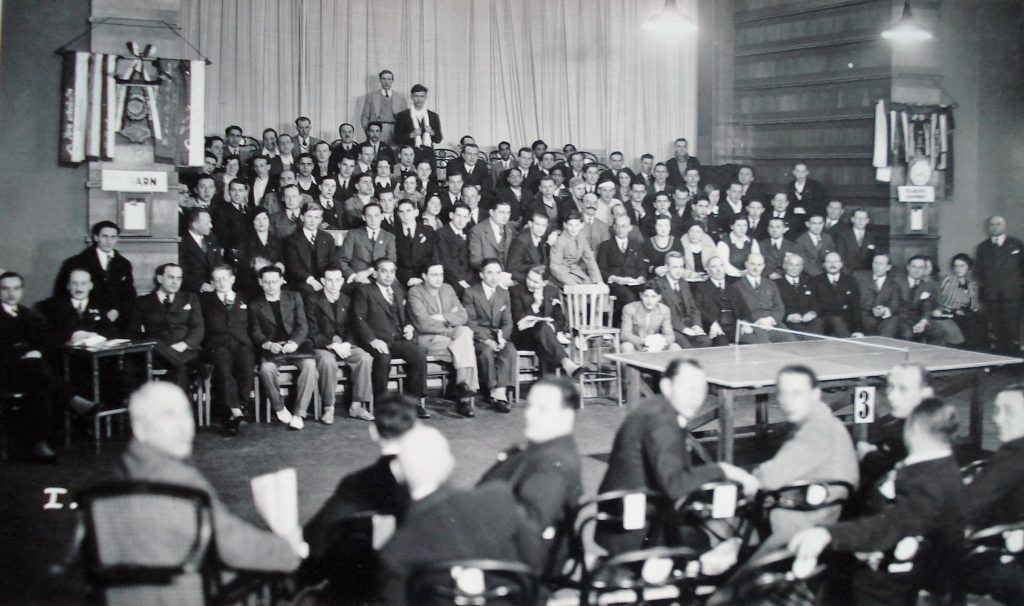
Evans then goes on to describe the playing venue: “I want you to picture an L-shaped hall, lofty and spacious, with a platform at the corner, and within the angle a small circular hall, with alcoves around.
There were two tables in each of the arms and one opposite the platform – centre court – with tiers of seats on each side. The tables themselves were new, very shiny, and being on a stone floor, very hard”.
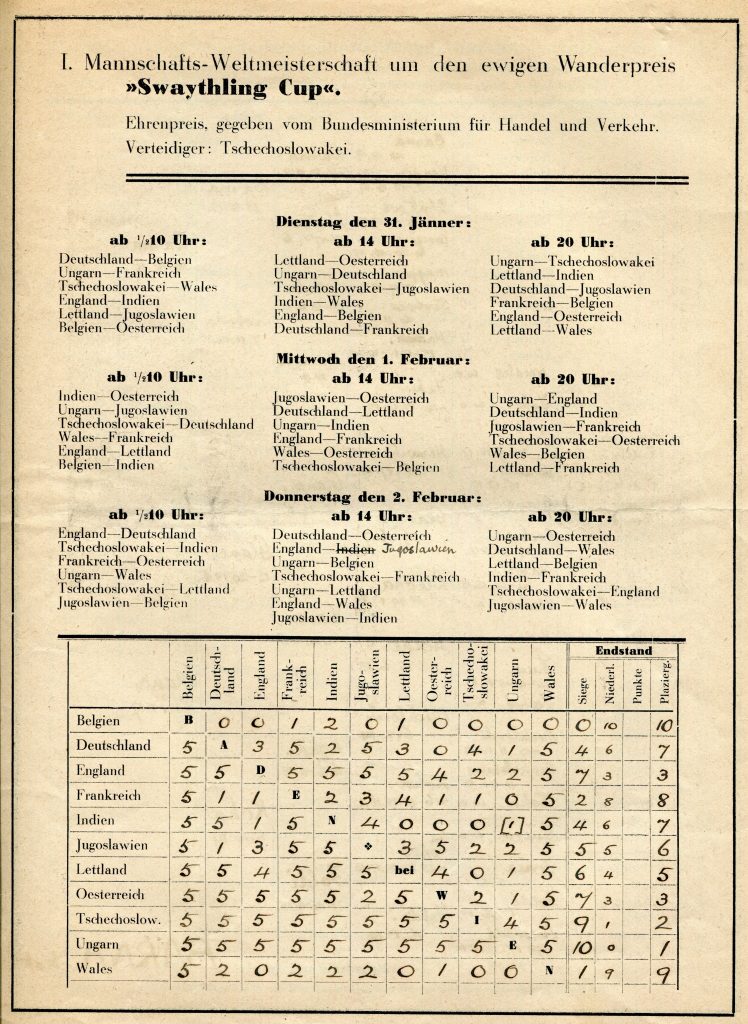
Eleven teams contested the Swaythling Cup and it was a significantly improved performance by England this year. There were three sessions a day at 10.30am, 2pm and 8pm on three days from 31 January to 2 February. England started off with a win 5-1 against India to redeem themselves against their travelling companions. Next was Belgium, a relatively weak team, a comfortable 5-0 win.
The players went back to their hotel for a rest after this match before the evenings encounter against Austria. England put out their strongest team, Haydon, Jones and Millar. Haydon got them off to a good start but Jones couldn’t keep the momentum going in the second match. The score reached 4-4. The decider was Jones versus Erwin Kohn and although it was close it went to Kohn. The match had been an epic encounter which finished at 2.30am.
A rather weary England were back on the table at 9.30am the next day with the same team from the previous night. It was always going to be a close match against Latvia and so it proved. England just managed to win the last game giving them the 5-4 win.
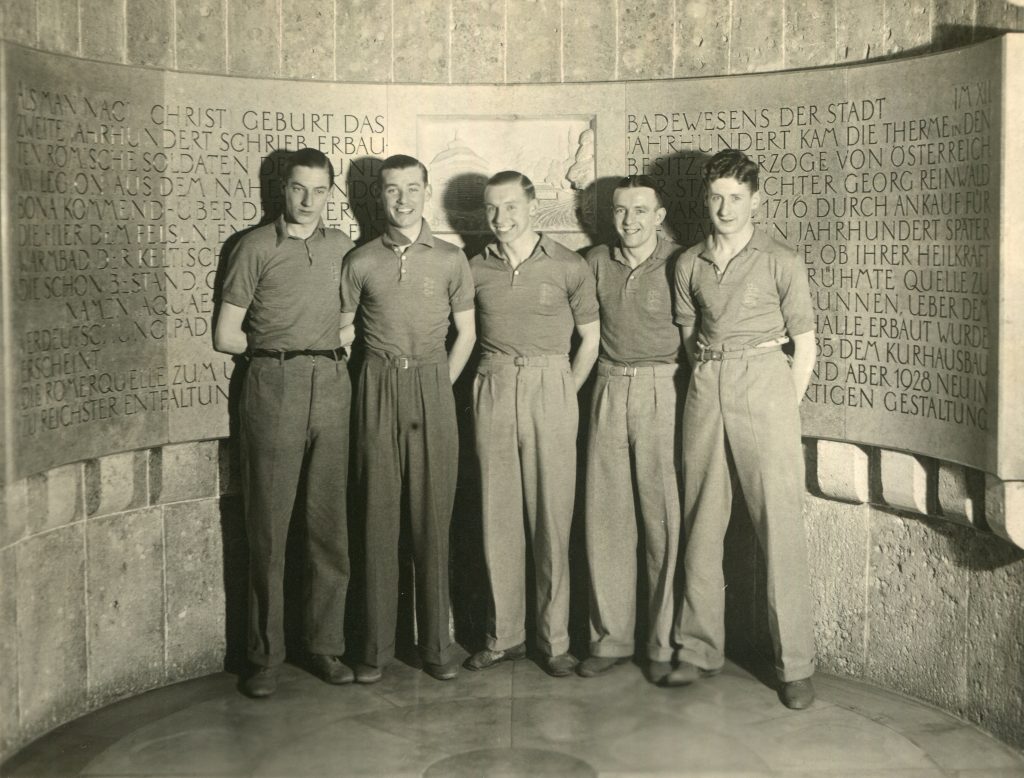
France was next, as they were a slightly weaker team, Millar and Haydon were rested. The result was 5-1 in England’s favour. The day finished with the hardest match of the Championships, against Hungary. Haydon, Jones and Millar again represented England. Haydon as England’s number one got the team off to the best of starts when he “smashed Lajos David clean off the table”. Jones versus Victor Barna was the second match and it looked as if there may be an upset when Jones took the first end. Barna eventually won but not without a struggle. England only won one more match leaving the final score 2-5 to Hungary.
The final day and things went well for England, beating Germany 5-3. The afternoon resulted in a 5-1 win against Wales before their final match against Yugoslavia. It was a must win match for England if they were to finish second. Up to this point, they had lost two matches and Czechoslovakia had lost one. With the win going to their opponents 2-5, England ended in a very respectable third equal place with Austria. Hungary regained their title with holders, Czechoslovakia in second spot, it was a close final and not decided until the ninth game.
The Men’s Singles gave England good cause to celebrate as Haydon had an amazing tournament. With his attacking game he hit his way through four rounds, including once again beating David, before succumbing to Stanislav Kolar, Czechoslovakia, in the semi-finals. The final against Barna was closely run but it was the indominatable Barna who retained his title winning 15, -11, 17, 18. Sandor Glancz was the other losing semi-finalist. The rest of England’s players did not fare so well. Findon, Montagu, Rose, Wilmott and Bridge went out in the first round, Brook, Rimer and Roberts in the round of 64 and Jones and Millar the round of 32.
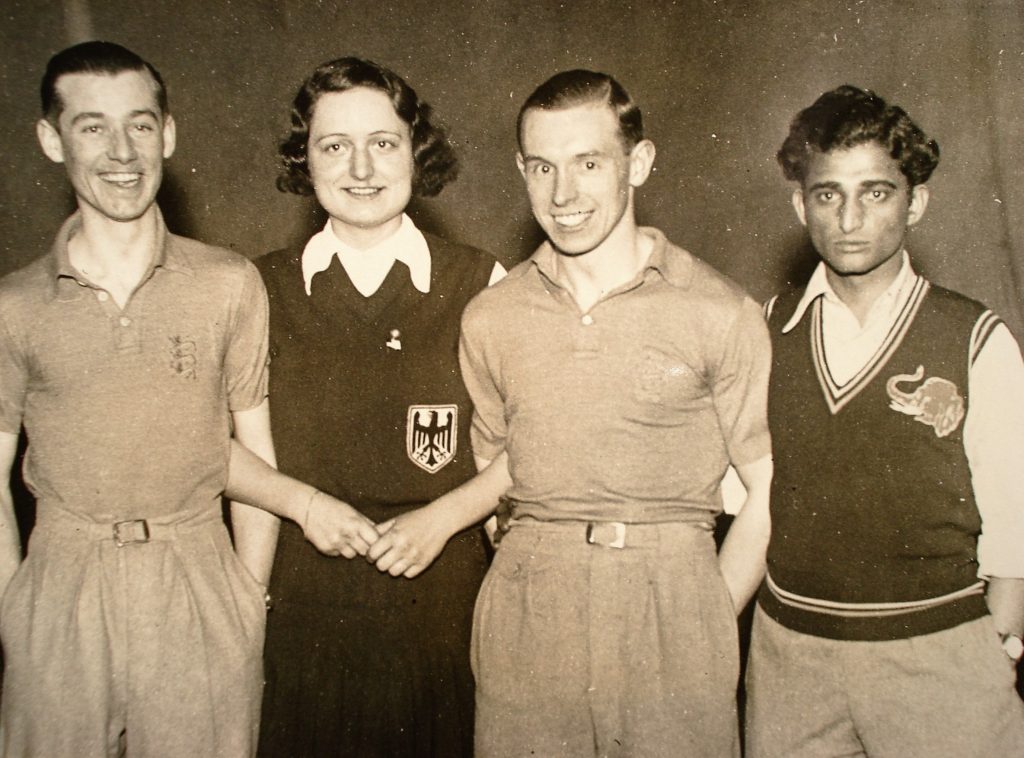
The Women’s Singles saw Anna Sipos beat Maria Mednyanszky, for the second time, in the all-Hungarian final 20, 16, 15. Magda Gal and Astrid Krebsbach, Germany, were the bronze medallists. Daphne Roberts went out in the round of 32.
Haydon & Jones were England’s best pair in the Men’s Doubles but lost in the quarter-finals to Austrians Alfred Liebster & Manfred Feher. Barna added another Men’s Doubles title to his already impressive collection of gold medals, this time playing with Glancz. Istvan Kelen & David were runners-up. Millar & Rimmer went out in the round of 16. Brook & Roberts, Findon & Bridge, and Montagu & Wilmott all lost in the round of 32.
Mednyanszky & Sipos won the Women’s Doubles final 18, -21, 13, 14 leaving Emilne Racz & Gal as runners-up. Daphne Roberts played with Austrian Nitschmann and they lost in their first match in the round of 16.
Finally, in the Mixed Doubles, Mednyanszky was champion again, this year playing with Istvan Kelen. Glancz & Gal were runners-up, the score 5, 9, -14, -12, 18. Holders Barna & Sipos were losing semi-finalists as were Germany’s Nikita Madjaroglou & Annemarie Schulz. Bridge & Daphne Roberts were the only English players in this event and they went out in the round of 32.
Hungary again dominated the Championships not only regaining the Men’s Team title but in the individual events contesting all individual finals except the Men’s Singles. England’s performance was a considerable improvement from 1932 with bronze in the team event and Haydon’s outstanding bronze in the Men’s Singles.
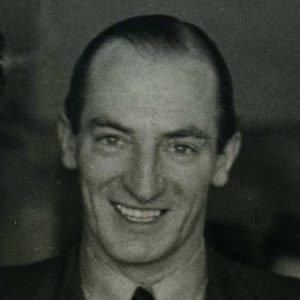
Alec Brook: Born on 20 April 1911 in Lambeth, London. Brook played in the one Swaythling Cup team but in five more World Championships both before and after World War II. His last appearance was in 1954 when he reached the semi-finals of the Jubilee Cup. He gained five other international caps against All India, France and Wales and reached an England high ranking of eight. He played in many Open and Closed tournaments mainly in the south of England and had a number of successes, including winning the Hertfordshire Closed Men’s Singles in 1933/34.
Many associated his name with Victor Barna when they performed over 500 stage appearances at the London Palladium. He also took part in a number of other exhibition matches before the war. In 1950, keen to promote table tennis, he toured Nigeria, Ghana and Portugal with Barna. When they reached Lagos, they were greeted by a crowd of over 1,000 who had been waiting over two hours for them, such was their popularity. Brook visited Nigeria again in 1965 for a three week coaching trip. He also toured with Richard Bergmann.
Later, he built up his own company specialising in company and club inscribed badges, ties and trophies.
Brook was an ETTA Approved County Coach in 1950/51 and an ETTA Approved Coach in 1951/52. He was made a Vice-President of the ETTA in 1978 and was founding Chairman of the Uxbridge & District TTA.
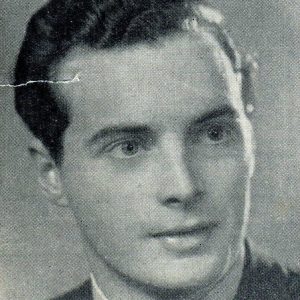
Eric Findon: Another Londoner born in Paddington on 11 March 1913. Findon earned his first England cap against All India in the 1932/33 season and another cap in 1934/35 against Wales. He played in three World Championships in 1931/32, 1932/33 and 1933/34, the latter as a Swaythling Cup player when the team finished seventh. His best result was in 1933/34 when with Wendy Woodhead the pair reached the quarter-finals in the Mixed Doubles. At his highest, Findon was ranked five in England.
A regular on the table tennis exhibition circuit, he played at Broadcasting House, the Daily Express theatre and several other venues around London. With Stanley Proffitt, 1936, saw an advert for the ‘All England Table Tennis School’. All this activity led him to bring out in 1937 the ‘Eric Findon’ autograph bat by Spalding, cost 3/6d.
As well as playing, Findon was a prolific writer. He was the owner and editor of The Table Tennis World, table tennis correspondent for the Sunday Referee and editor of the ETTA magazine Table Tennis. Another string to his bow was as Honorary General Secretary of the London Table Tennis League, Eastern Section in the 1930s.
It seems Findon was quite a character. An actor who had appeared in two silent movies in 1928 and 1929, The Rising Generation and Cupid in Clover. One escapade nearly ended disastrously when he tried to cross the Channel with Charles Rendek in a collapsible canoe. After seven and a half miles of bad weather and 65 minutes into the venture, the Captain of the cruiser following forced them to give up. “The waves from three miles out were 20’ to 30’ high”.
It seemed Findon lived life to the full, but it was a life cut short. During World War II he was an RAF Sergeant-Pilot in the 78 Squadron RAF Volunteer Reserves. He was killed over Brussels on 25 August 1941. He is buried at the Wavre Cemetery, Walloon Brabant.
Daphne and Leslie Roberts: Although not international players, they nevertheless were top players of their time. Their grandfather, Frank Roberts, started playing in 1901 with a vellum racket. He was a founder member of Watford & District League in 1937 and was its first President and Chairman, its initial membership was 230 with 13 clubs. Frank was also President of Hertfordshire County TTA and one of the ETTA’s most active Vice-Presidents.
His legacy has carried on though the ages to the present time. Not only were Daphne and Leslie good players but Daphne’s son, Stuart Seaholme, and his brothers have been very actively involved in the game. Stuart was ranked at six in the junior rankings, is a qualified coach and carried on the family tradition having been Chairman of the Watford League as well as holding several other positions. He was awarded the ETTA Maurice Goldtein Award in 2006 and the Leslie Forrest Memorial Trophy in 2022. Stuart’s two sons have continued the family’s love of table tennis, both played and one has been the National Coach of New Zealand for over 15 years. A remarkable family history that spans over 100 years.
Paris, France (December)
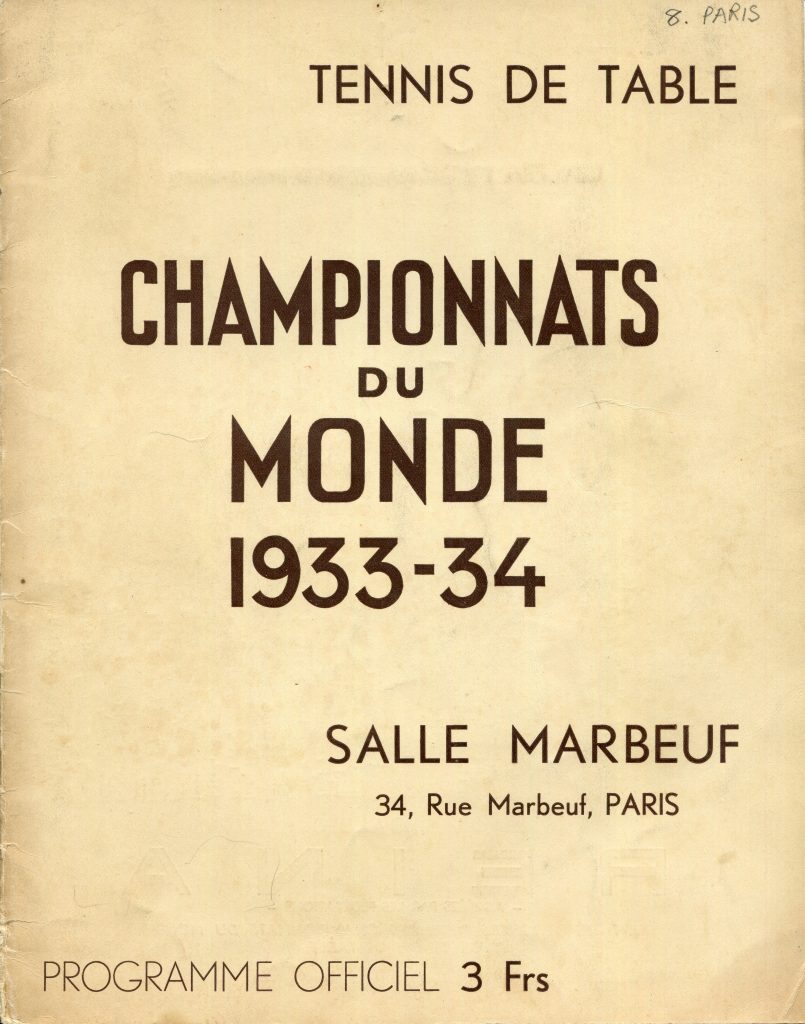
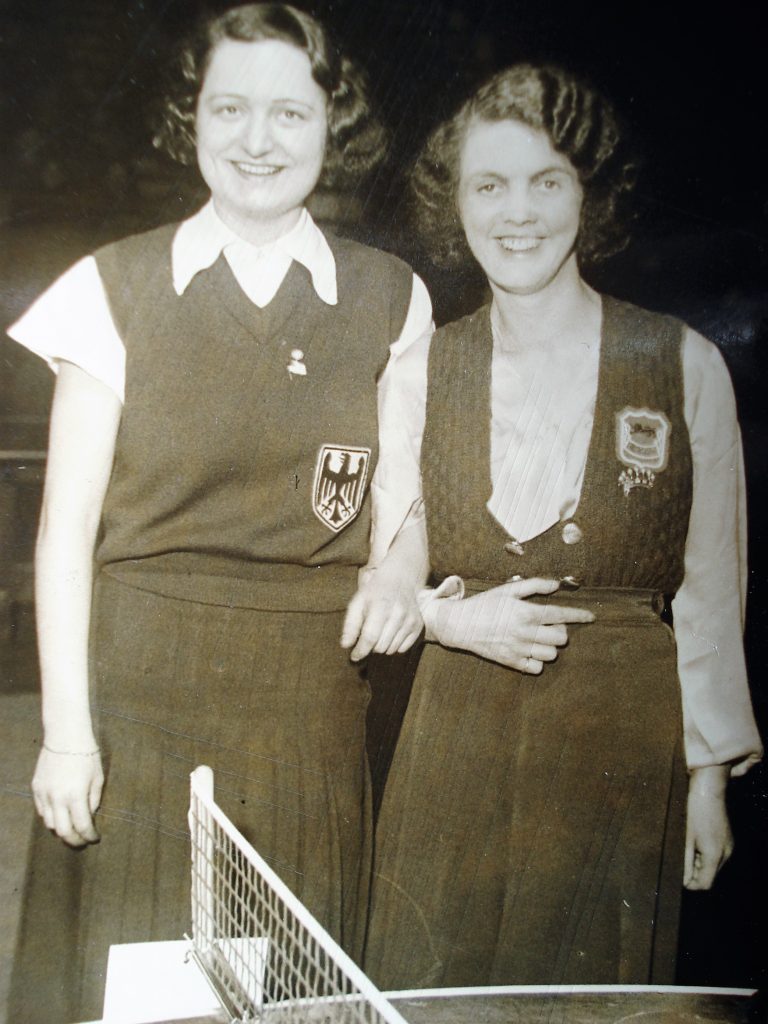
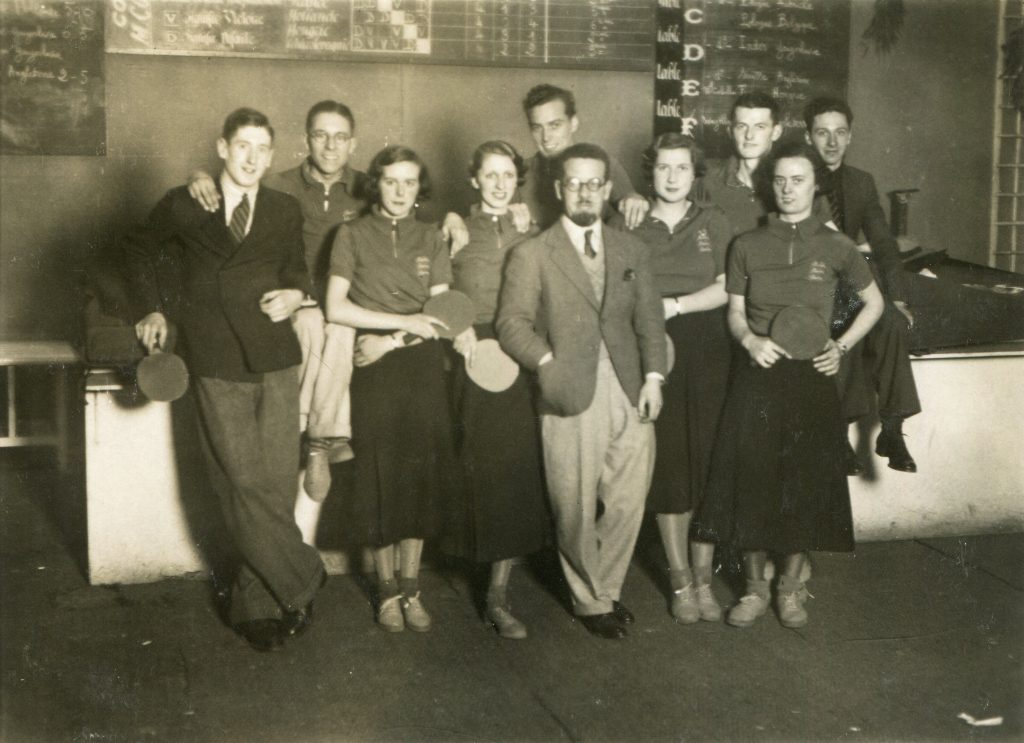
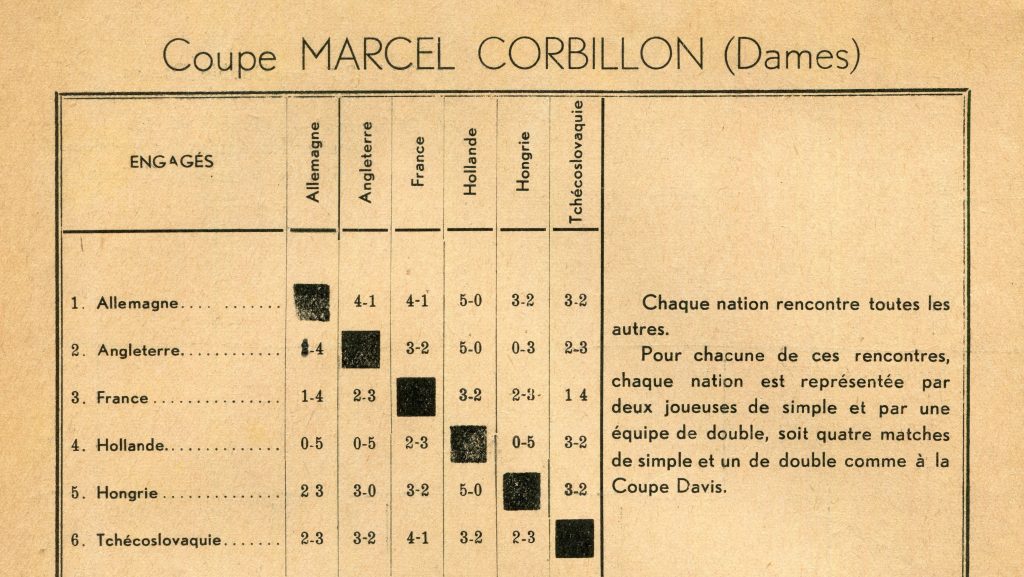
The England teams were selected following trials and at last it could be said ‘teams’, as for the first time there was a Women’s Team event. Dora Emdin, Nora Norrish, Margaret Osborne and Wendy Woodhead made up that first England Women’s World Championships team. Corti Woodcock accompanied the players to Paris as non-playing captain for both the men and women’s teams where there were four days of play for the team events from 2-5 December. Then, a rest day on the 6th before the individual events started on 7 December.
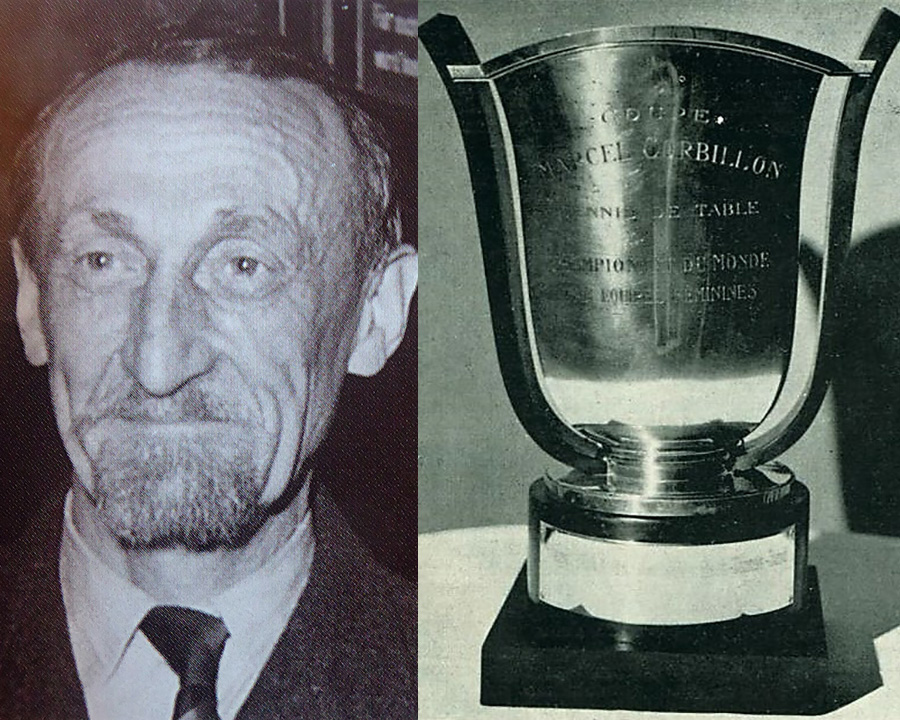
The Corbillon Cup, donated by Marcel Corbillon, President of the French Association, was the impressive trophy for the Women’s Team event. Four other ladies travelled to France with the team, Kathleen Berry, Joyce Bartholomew, Doris Emdin (Dora’s sister) and L D Mine. It was the first time any of the female players had played in a World Championships, although they were regulars at Open tournaments in England, including the English Open.
The format for the Women’s Team event was different to the Men’s with four singles and one doubles match with all five matches being played. The Men’s was still the best of nine singles. The other women’s teams, all from Europe, were: Czechoslovakia, France, Germany, Holland and Hungary.
England had some success, beating France 3-2 and Holland 5-0. Woodhead won both her matches against France, Emdin won one and lost one and Norrish and Woodhead lost the doubles. It was a full house against Holland with all four ladies winning one match and Emdin and Woodhead winning the doubles.
The other results did not go England’s way. They lost to Czechoslovakia 2-3 (individual scores unknown), Germany 1-4 with Woodhead having the one win, and a 0-5 loss against Hungary.
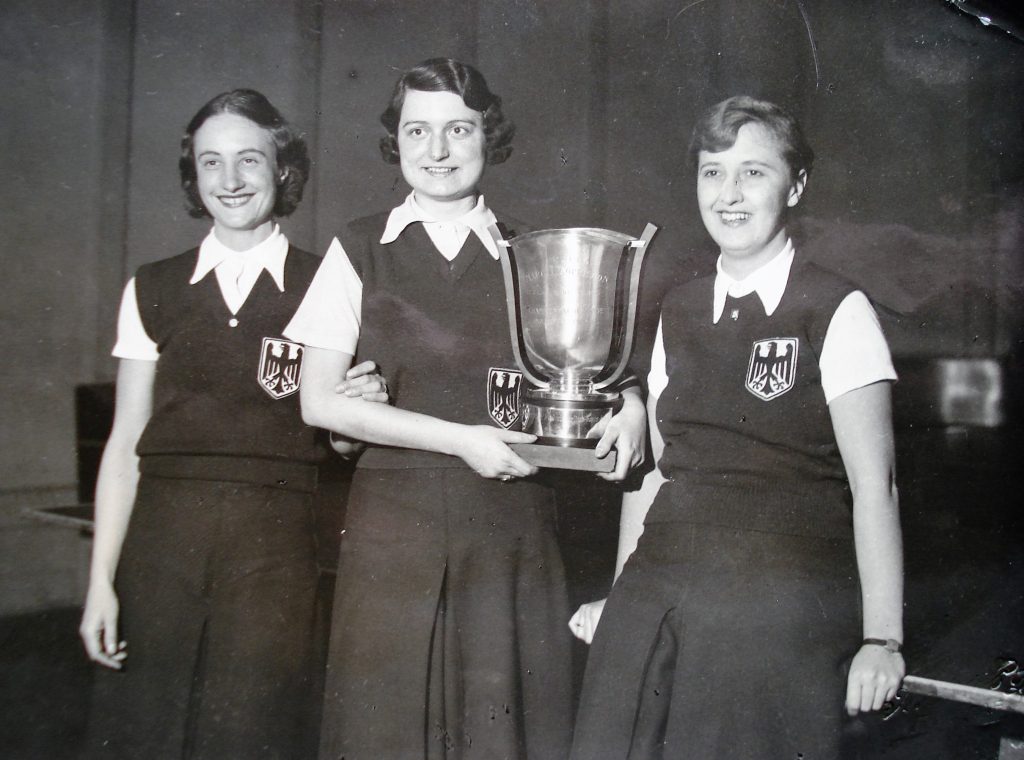
The strong German team, Anita Felguth, Annemarie Haensch, Astrid Krebsbach and Mona Ruster-Muller, were the first to hold the Corbillon Cup. Hungary were in second place with Magda Gal, Maria Mednyanszky and Anna Sipos, and Czechoslovakia third with Marie Kettnerova, Marie Smidova and Jozka Veselska. England finished fourth.
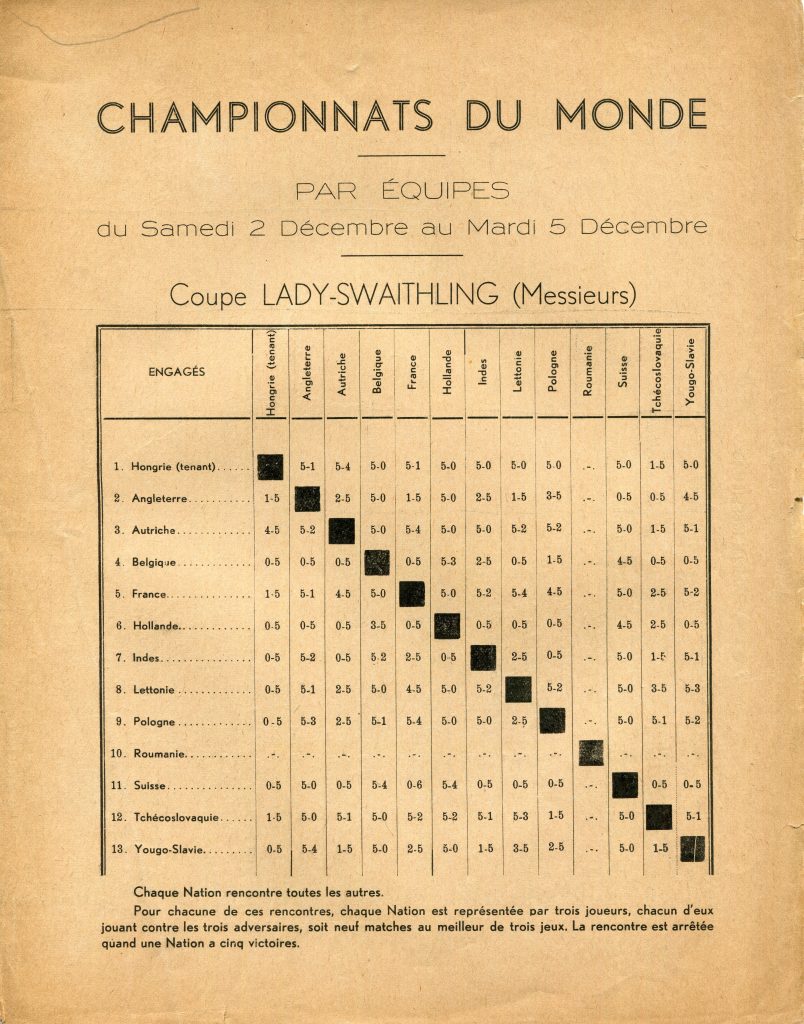
There were a couple of familiar names in the Swaythling Cup team but some players, likely to have been selected, were unable to attend. Eric Findon and Andy Millar were the experienced players with Don Foulis, Herbert Hales and Ken Hyde the newcomers. Adrian Haydon, who had been such a stalwart of the England team for many years, was not in the squad but did play in the individual events in the Championships, as did AJ Wilmott and Mr Knibbs.
India once again were the only non-European country of the 12 countries who played. It was a disappointing Championships for England, winning only four of their 11 matches. Belgium, Holland and Switzerland were 5-0 wins and it was 5-2 against India. The match against Yugoslavia was close with England just being edged out 4-5. It was a 3-5 loss to Poland, 2-5 to Austria, 1-5 to France, Hungary and Latvia, and 0-5 against Czechoslovakia.
Findon won nine of his 15 matches, Hales seven from his 11 and Hyde six from his 11. Foulis won six from 17 and Millar four from 15, although he did play in all the hardest matches and did get the sole win against Hungary, beating Tibor Hazi.
Hungary were once again champions, making it seven wins from eight Championships. Their team of Victor Barna, Laszlo Bellak, Lajos David, Tibor Hazi and Miklos Szabados won all their 11 matches. Austria and Czechoslovakia were joint second both winning nine matches and losing two.
There wasn’t much joy for England in the Men’s Singles either. Findon, Hyde and Millar were the best placed players reaching the round of 16. Findon lost to Hazi 20, -16, 18, 16, Hyde lost to Sandor Glancz, Hungary, 18, 17, 16 and Millar lost to Alojzy ‘Alex’ Ehrlich, Poland, -19, 13, 21, 19. Hales, Wilmott and Knibbs went out in the round of 64 and Foulis and Haydon in the round of 128. Ivor Montagu scratched from the singles. Victor Barna was dominant again although the all-Hungarian final was well fought by Laszlo Ballak, the final score -12, 14, -15, 5, 14. Both losing semi-finalists were also Hungarian, Hazi and Miklos Szabados.
There was a new name on the trophy for the Women’s Singles and the first time it had not been won by a Hungarian. The final was a contest between Maria Kettnerova, Czechoslovakia, and Astrid Krebsbach of Germany. It was Kettnerova who came out on top 18, 15, -21, 18. England’s Dora Emdin was a bronze medallist having put Anna Sipos, the holder, out in the quarter-finals 14, -24, 22,16. Magda Gal, Hungary, was the other losing semi-finalist.
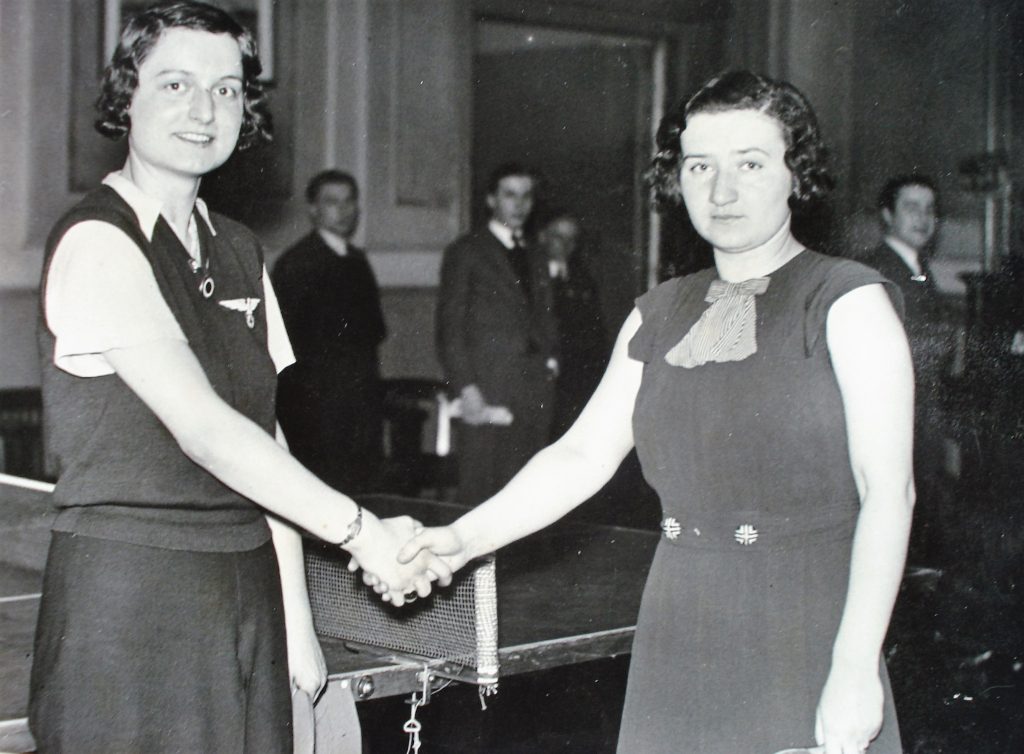
A quarter-final place for Hyde & Millar was the best in the Men’s Doubles for the English players. Findon with Foulis reached the round of 16 and Wilmott & Knibbs, and Hales with Kumana went out in the round of 32. Barna, reuniting with Szabados, had a comfortable win in the final against fellow Hungarians, Glancz & Hazi 11, 18, 15.

Maria Mednyanszky & Sipos won the Women’s Doubles for the fifth consecutive time with Germans, Krebsbach & Felguth the runners-up. The score -13, 20, 14, 17. Norrish & Osborne, and Berry & Woodhead were quarter-finalist with Bartholomew & Salenth, France, and the two Emdin sisters reaching the round of 16.
Mednyanszky got a second gold in the Mixed Doubles, playing with Szabados again. They reclaimed the title they had last won in 1931 with a score of -17, 12, 20, 20. Barna & Sipos were the losing finalists. Berry with Hungarian Bellak took home a bronze medal as did Stanislav Kolar & Marie Smidova of Czechoslovakia. Findon & Woodhead, and Hyde & Osborne were quarter-finalists. Foulis & Norrish, Hales & Doris Emdin and Millar & Dora Emdin went out in the round of 16 whilst Wilmott & Mine, and Bartholomew & Furman lost in the round of 32.
There was also a Consolation Singles which was won by Frenchman, Michel Haguenauer -10, 20, -19, 17, 18. Svoboda was his opponent in the final. Hales reached the quarter-finals.
Some mixed results for the English players, knowing they would have to step up for the next World Championships which were to be played in London. The cost to the ETTA this year was £76 7s 51/2d. It was going to be considerably more next year.
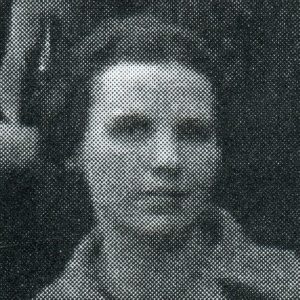
Joyce Bartholomew: A Liverpudlian born on 4 October 1910. Bartholomew gained her first England cap against the Irish Free State on 2 April 1932 and played against them twice more and against Wales once. Paris 1933 was the only World Championships she played in.
Bartholomew was the daughter of the Liverpool League President, Charles Bartholomew, and most of her achievements came from the north west of England. She won five Merseyside Open titles in doubles and two North of England titles, again in doubles. Added to which were three Cheshire County Championships, two Lancashire County Championships and ten Liverpool Closed titles. Ranked 12 in England.
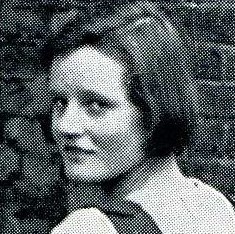
Kathleen Berry: From Epping in Essex, born on 22 August 1907. Berry, played in three World Championships, the first in 1925, again in Paris 1933 and latterly in the mixed Jubilee Cup in 1947/48. A prominent player in the early 1920s she won the Women’s Singles at the English Open as a young 16-year-old in 1922/23, again in 1923/24 and 1924/25 and was runner-up in 1926. She won a total of eight titles at the Kent, London and Middlesex Opens, two with brother Rikki, an international. She also won the Ladies Singles in the London League in 1925/26 and 1926/27. However, perhaps her most impressive title was the “Daily Mirror” Nationwide Competition in 1922/23, a tournament that covered the whole country.
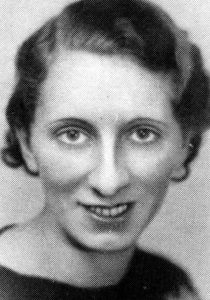
Dora Emdin: The younger of the two sisters who was born on 4 August 1912 in St Albans, Hertfordshire. Dora played in two Corbillon Cup teams gaining one silver medal and placed fourth on the other occasion. Dora won two further silver medals, in the Women’s Singles in December 1933 and the Women’s Doubles in 1938 with Margaret Osborne.
One of England’s top players of her era ranked two in England and eight in the world. She was in popular demand as a doubles partner which was justified with the success she had. She played in eight international matches against Wales, one against France and one against the Irish Free State. Dora captained the first Women’s International match on 7 February 1930 against Wales, she won her match and England won the fixture 6-4.
At the English Open, considered only behind the World Championships in status, she won the Women’s Singles in 1932/33, the Women’s Doubles twice, with Phyllis Moser and Astrid Krebsbach of Germany and Mixed Doubles twice, both times with Victor Barna. Dora won over 40 Open titles in England and numerous Closed titles at County, Local League and at the Civil Service TTA, one of the largest clubs in England.
Dora caused a sensation in 1937 when she turned up to play in trousers rather than a skirt, unheard of at the time. In 1939 J W A Connelly in Table Tennis said of Dora: “I noticed from high up in the Wembley press box how beautifully she positions for every stroke, how near to perfect is her footwork, and the ease with which every stroke is carried out”.
Like so many players of her time, World War II interrupted her play. On 9 April 1945, now Mrs Zillwood, Dora died after being ill for only a few hours.
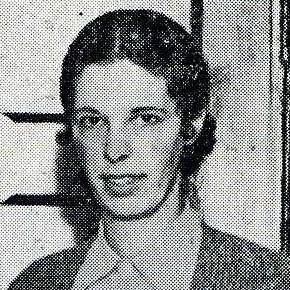
Doris Emdin: The older of the two sisters, Doris was born in Croydon, Surrey on 5 April 1905. She made her England debut in the 1930/31 season against Wales and played two more fixtures against them in 1933/34 and 1937/38. Paris in 1933 was her first World Championships, she went on to play in 1934/35, 1937/38 and after the war in 1947/48. Her best results were quarter-final places in the Women’s Singles in 1937/38 and Women’s Doubles with Dolly Evans of Wales that same year.
At the English Open Doris was twice runner-up in the Women’s Doubles, with Nellie Wood in 1928 and sister, Dora, in 1931. Like her younger sister, Doris also won numerous Open and Closed titles. She went on to be ranked seven in England.
Doris held several administrative positions, following in her father, Ralph’s, footsteps. Ralph was an ETTA Vice-President in 1932, served on their National Executive Committee and held other ETTA positions as well as in the St Albans League, Luton League, Bedford League and the club he founded – St Albans Club.
Doris was on the ETTA Women’s Committee and Chairman of the Southern Section, Secretary and Representative of the County Championships Home Counties Division, Hertfordshire. For Hertfordshire County TTA she held the post of Secretary, for the St Albans League she was their ETTA representative for a number of years and also Vice-Chairman and in the London League she was the Women’s North Section Secretary. Playing for the St Albans Club where she was Vice-Captain.
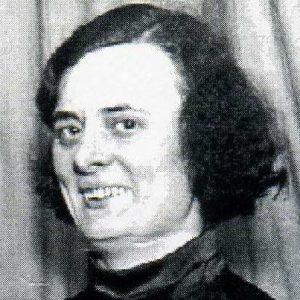
Nora Norrish: A Liverpudlian born on 8 August 1907, Norrish reached an England high of seven. Her international debut was against the Irish Free State in 1932/33, she played against them twice more and once against Wales as well as in the Corbillon Cup in December 1933. She also played in the World Championships the following year at Wembley.
The winner of a number of Open tournament titles in the North East, including with Laszlo Bellak of Hungary in 1935/36 in the Merseyside Open. Norrish was the Liverpool Closed Women’s Singles title holder four times and the Women’s Doubles winner five times. She played in a Liverpool League representative match against Belfast on 17 December 1938 and played in an exhibition match against the Hungarians in Hull on 26 November, 1935. She was described as a fine defensive player with a big match temperament.
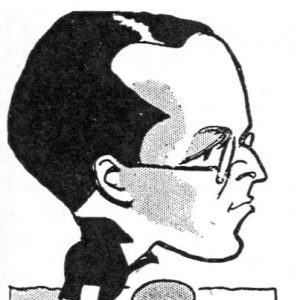
Herbert Hales: Also known as Bert or Willie, was born on 12 May 1913 in Homerton, London. He first started playing in 1930 and played in the London Business Houses League where he won three Men’s Singles titles, three Men’s Doubles titles and one Mixed Doubles title. Hales also won the Men’s Doubles in the London League Closed in 1938 with Stanley Cole. His senior international debut was against Wales in 1933/34, playing twice more against them plus once against India and once against France. At the World Championships, Hales played in two Swaythling Cup teams in 1933/34 and 1934/35 coming seventh and fifth respectively.
In the English Open his best performance was in the Mixed Doubles in 1933/34 when he was runner-up with Wendy Woodhead. Hales also reached the semi-final in the Men’s Doubles with Maurice Bergl in 1933/34 and Harold Shalson in 1935/36.
As well as playing, Hales was secretary for the Samuel Jones TTC in both the London Business Houses League and the Printing, Publishing & Allied Trades League.
Latest news