In the latest instalment of our series on England’s World Championships performances over the years, Diane Webb (Chair of Archives, Museum and Records Committee) turns to 1938 and another London-hosted Championships.
And what a Championships it was as England’s first female world champion was crowned, among five medals for the hosts, and a profit was made.
With thanks to Gunther Angenendt for photos. Keep an eye on our website and social media platforms for a host of features in our Road to London 2026 series – and click below to secure your tickets for London 2026.
Trials
England were looking at performing well at their home World Championships and the selection process for the Swaythling Cup team was moved up a gear. Five area trials were held with 32 players to go forward to the final trials in London. Ten were selected from this number with five eventually making the Swaythling Cup team.
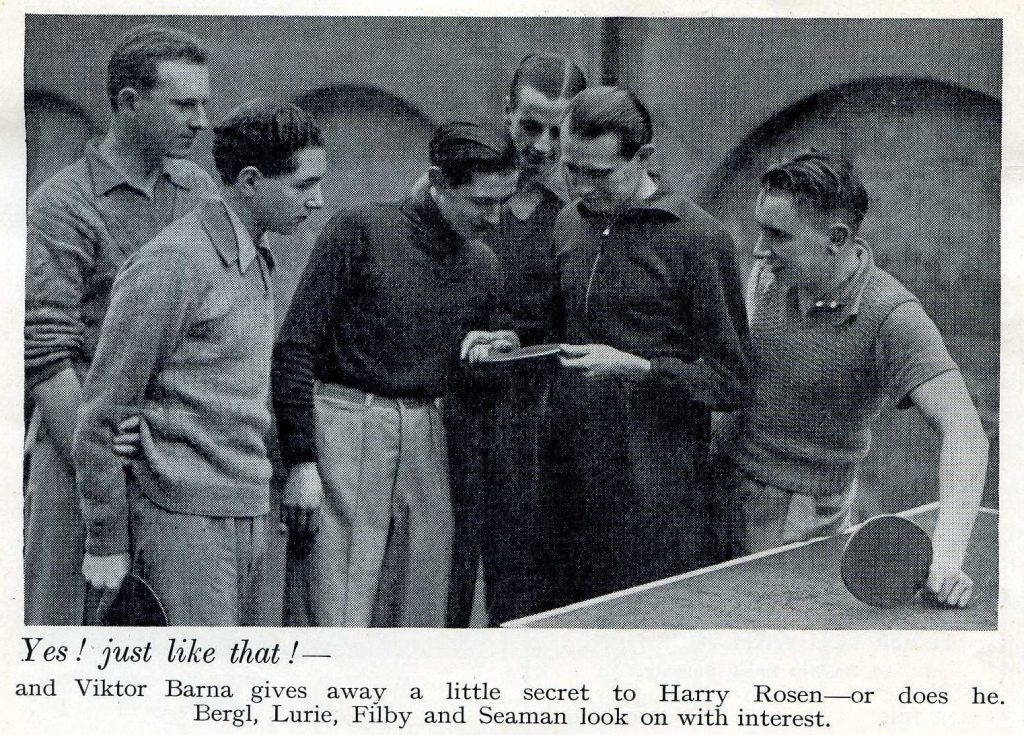
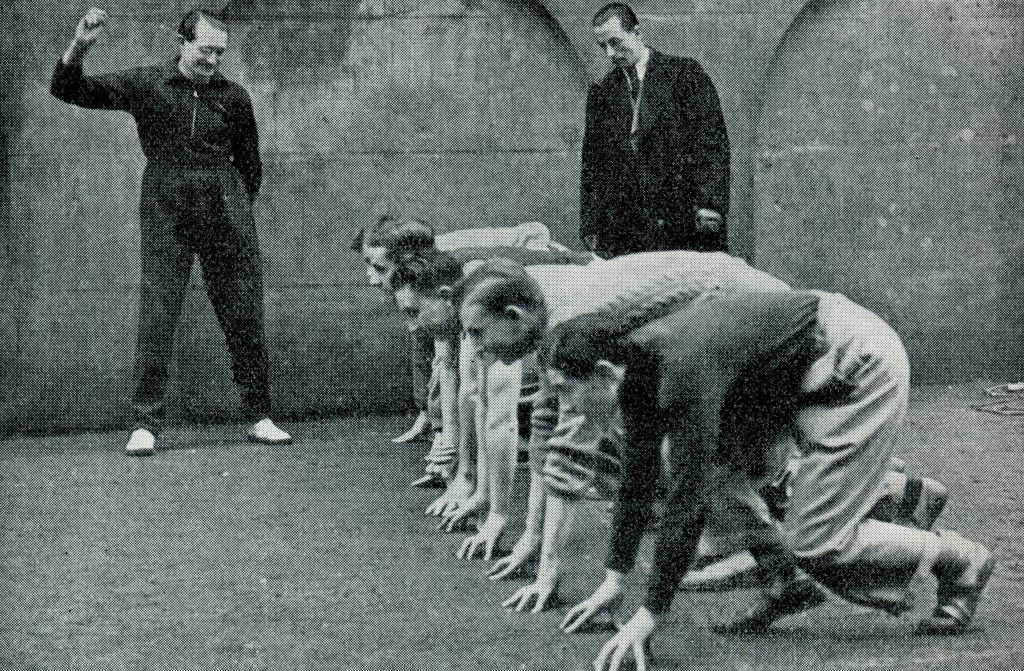
Victor Barna was appointed to help with training and providing a physical conditioning programme, putting all 10 through their paces. Maurice Bergl, Ernie Bubley, Les Cohen, Benny Casofsky, Eric Filby, Eric Hardman, Ken Hyde, Hymie Lurie, Harry Rosen and Charlie Seaman were the 10 on the final list who all benefitted from the extra preparation. These advantages were only for the men, the ladies had to make their own arrangements.
Promotion and Organisation
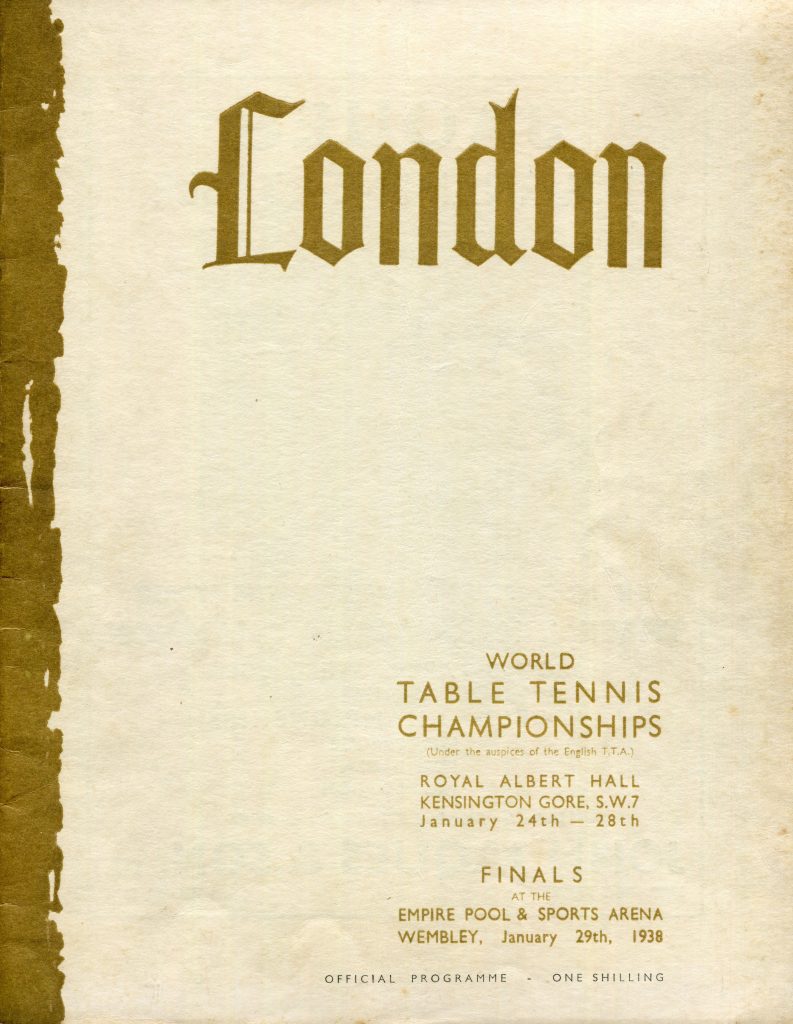
With the last World Championships held in London only three years ago and with the annual English Open, there was plenty of experience amongst the top officials to ensure everything ran smoothy. Even so, the Organising Committee chaired by Ivor Montagu with Referee J Morris Rose, Organising Secretary Bill Pope, Treasurer Bill Vint and Godfrey Decker in charge of equipment, it was a massive undertaking.
Over 600 volunteers were used, including 60 interpreters to cover all languages. At the end of the day the organisation of the Championships was regarded by all as “a brilliant success” and which didn’t cost anything for all those hours spent.
To give some idea of what was entailed: 10,000 posters were printed, 100,000 handbills distributed, 80,000 envelopes addressed and stamped.
Thousands of phone calls were being received from press and publicity queries to questions about tickets, the players and the draw, to arranging hotels and interpreters for all the teams, to organising press luncheons and the annual reception on the eve of the Championships at Slaters Restaurant, Kensington, to arranging local clubs to allow practice facilities and a myriad other duties and queries.
“Some of the officials have slept but others haven’t had the time” was one comment made, with Stewards working out their places, umpires learning the new chiselling rule, the handling of the “Chess clocks” and more.
Bill Pope wrote an article in the Radio Times and there was a welcome in three languages by the Lord Mayor of London in the programme. Coaches to and from hotels to the Royal Albert Hall had to be arranged. Excursion trains were arranged and interviews with the railway companies were undertaken.
Two venues had to be prepared, the ITTF Congress accommodated and the welcome reception arranged. All was going well in the ETTA office until the phones went out of order the week before the Championships started, which did cause some consternation but as with all other difficulties was overcome.
In 12 short years from the first World Championships in 1926 in London, it had gone from five men’s teams to 16. There were no Women’s Teams in 1926 and now there were 10. 1926 saw four tables which went down to one for the finals. Spectators were requested to bring their chairs around the table.
Wooden rackets were widely used – Wales would only allow wood. Instructions to competitors included not to wear white. There were 66 entries in 1926 and now there were 212 competitors from 20 countries. The game had certainly evolved.
Venues
Seating capacity at the Royal Albert Hall was 8,000, where there were 11 tables. Play was from 24-29 January, three sessions a day starting at 9am, 2pm and 7pm. Four tables were on the floor of the main arena which were divided by netting. 52 lights were lowered from the roof to illuminate these tables. There were seven further tables in the gallery with special flooring, lighting and netting provided for each.
Godfrey Decker, who was in charge of the equipment, worked tirelessly. He was there all night on the Sunday before the opening and worked through the night at the end of the Championships. Lighting, floor, nets, tables, clocks, scoring machines, dressing rooms, rest rooms and more. He made sure that each table had “a glass, water, a packet of bandages and a bottle of iodine”. When play began, each table had one umpire and two stewards.
The Empire Pool & Sports Arena, Wembley was the location on Saturday, 29 January for the Men’s Singles semi-finals and final, Women’s Singles final, Men’s Doubles final, Mixed Doubles final and Men’s Consolation Singles final.
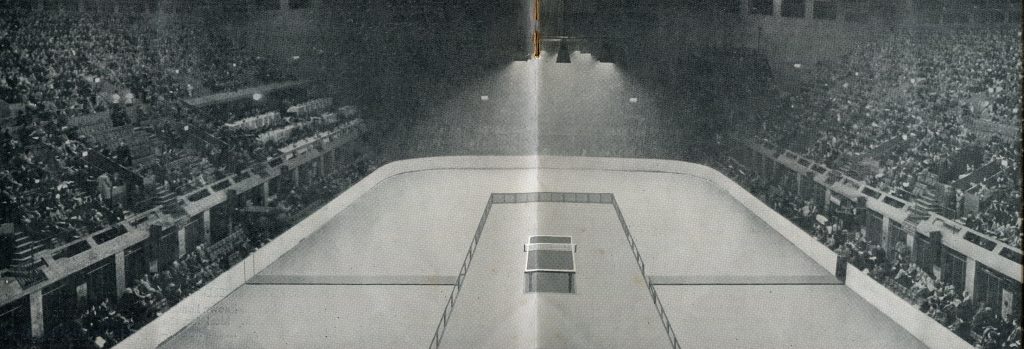
All went well, with 9,000 attending finals night; excursions arrived from all over England. It was recorded “The lighting and general conditions could hardly have been bettered, at the Albert Hall and at Wembley things moved swiftly and without a hitch”.
ITTF Congress
Congress met on the eve of the Championships. One of the major decisions was whether or not to allow the USA teams and players to participate. Their team had travelled to London on the Aquitania in anticipation of being allowed entry and it had been intimated that they would be.
The ITTF and the USTTA had been in dispute following the debacle in the Women’s Singles final at the last World Championships and the suspension of Ruth Aarons. Aarons had played in unauthorised exhibition matches for money in England, which was against ETTA rules. She was unaware of the ruling and had a contractual obligation to play. The ETTA suspended her and the ITTF enforced the ban.
Perhaps understandably, the USA said it wasn’t reasonable for one person to be the head of the ITTF and be the head of the Association making the complaint. They felt there was need for the ITTF to reform.
Corti Woodcock was on a visit to America and said he would act as the USA proxy to try to resolve the situation. However, the ITTF ruled you couldn’t be a member of one Association and represent another. Woodcock resigned his ETTA Vice-Presidency and all other positions, thereby the ETTA had lost one of its most valuable assets. It was felt the ETTA had “an uncompromising attitude”. As a result of the dispute the USA Association withdrew from the ITTF but were now wishing to be part of the organisation again.
In 1937 it had been agreed that Egypt would host the 1939 Championships but disconcertingly nothing had been confirmed by them, despite contact there had been no response. The thought of going to a sunny climate in the middle of a European winter with trips around the pyramids certainly had sounded enticing when it was proposed. It was hoped Egypt would still become a reality.
It was agreed the 1940 World Championships should be held in Hungary, with Germany as reserve. As we now know, 1939 was the last year for the Championships until after World War II when Paris hosted in 1947.
New Rules
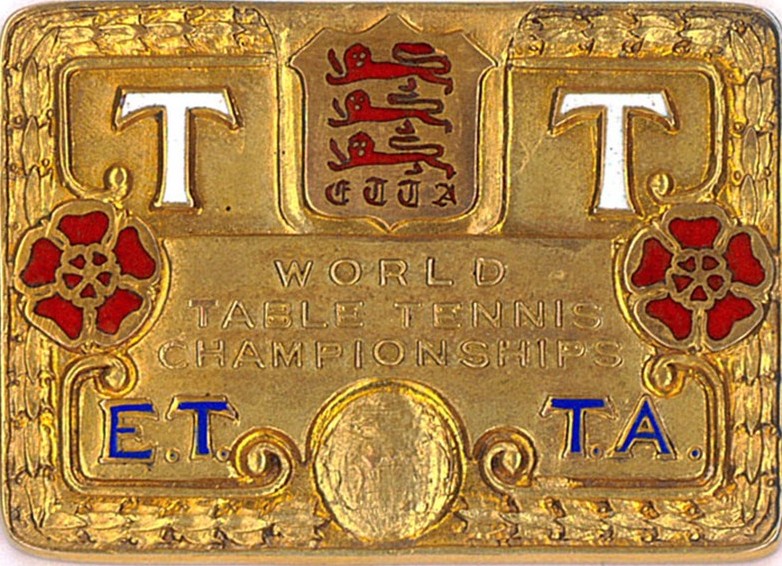
Although changes had been made to cut down on match time and make table tennis more attacking and interesting, the rules still needed some adjustment. So, the day before the Championships started, the ITTF Advisory Committee met and set out new rules. They were lengthy and quite convoluted as can be seen below. It was intended they only applied to the World Championships and international National Championships.
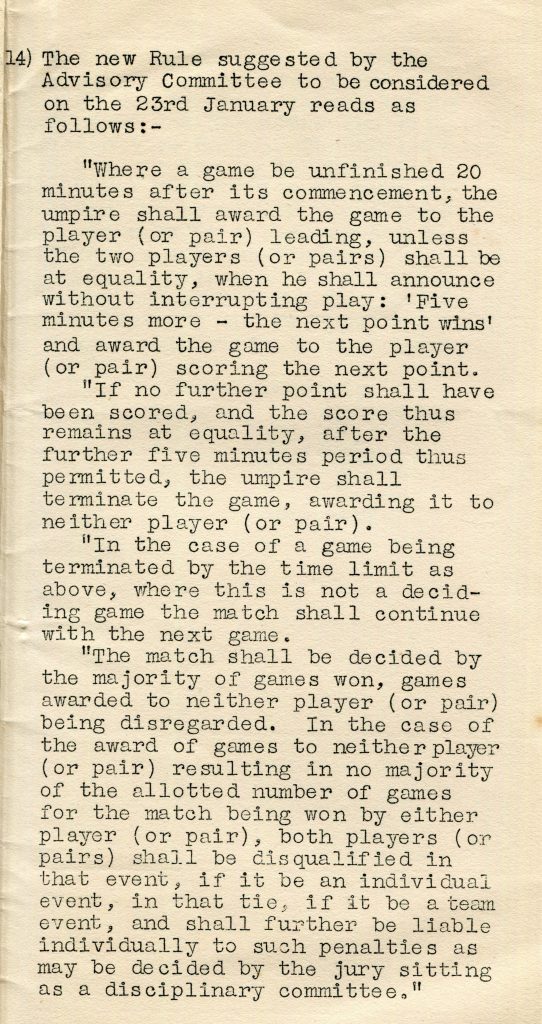
The change to the lower net and no finger spin had a beneficial impact and it was hoped the new ruling would also have a good effect. As it was only applied twice during the Championships it would appear this was the case.
Once was in the Swaythling Cup match between Richard Bergmann of Austria and D Mauritz, Germany. After the allowed 20 minutes the umpire added three extra minutes. The game still had not finished and as Bergmann was leading 20-18, he was awarded the game.
The second case was in the Men’s Singles where William Stennett of England and V Heskner, Yugoslavia were facing each other. Stennett was in the lead 18, 16, -15, -10, 21-20 when time was called, so he was given the victory.
Swaythling Cup
The first three days were devoted to Swaythling Cup matches, with the final due to be played on Thursday night on one table. However, Group 1 had resulted in a three-way play-off and so the schedule had to be altered to accommodate three extra matches.
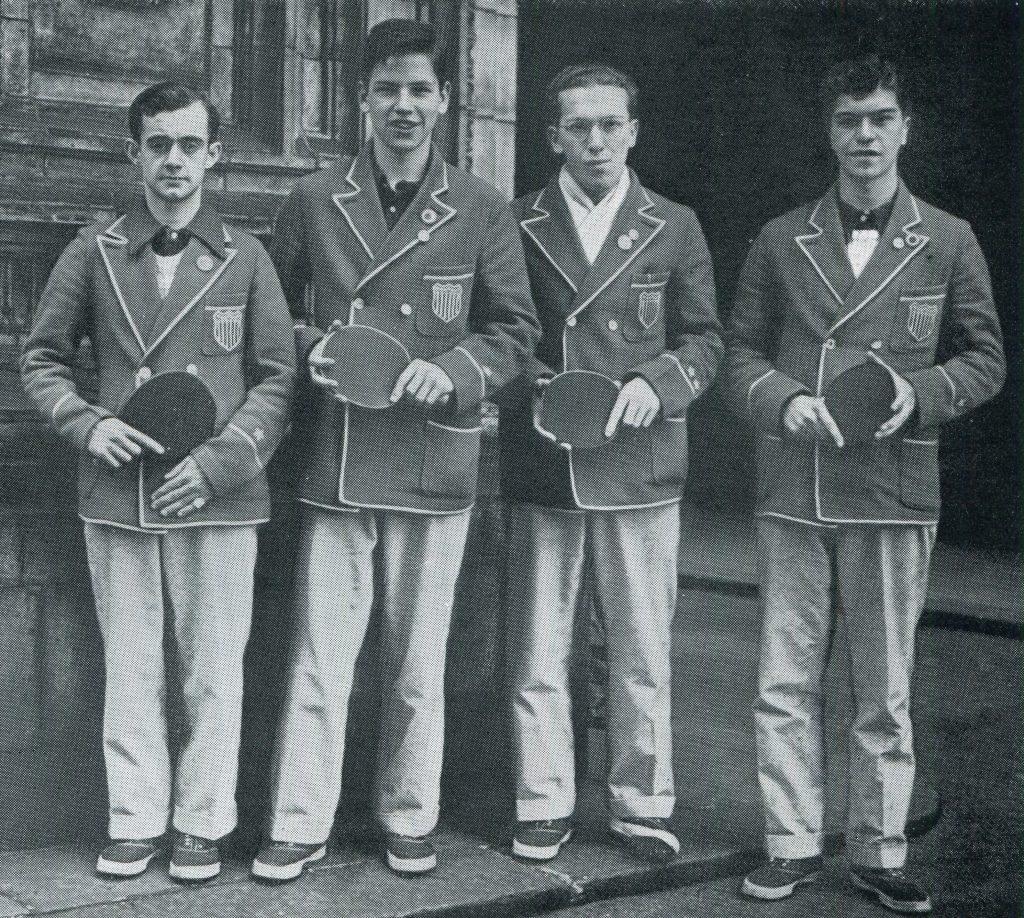
England’s final team was Bergl, Bubley (the new number one), Filby, Hyde and Lurie with Montagu as the non-playing captain. They were in Group 1 with seven other teams. They played well with six wins and only one loss. They beat Wales, Latvia and Ireland 5-0, Germany and Poland both 5-3 and Austria 5-4.
England’s one loss was to the USA 5-1. Again, it was Bubley, Filby and Lurie who faced Jimmy McClure, Lou Pagliaro and Sol Schiff. Bubley got the team off to a good start beating McClure 19, 20 but that was the only result for the England team. Lurie came close to beating Pagliaro, losing 22-20 in the third.
The result against Austria was particularly impressive with Bubley, Filby and Lurie playing for England. Although they all lost to Bergmann, Filby did take one end from him and went on to win the match for England. With the score 4-4, he defeated Helmut Goebel 15, 15. He had earlier beaten Alfred Liebster 7, -15, 16. Bubley also had two wins, against Liebster -14, 11, 19 and Goebel -7, 19, 9, whilst Lurie beat Goebel 16, 13 but lost to Liebster 19, -16, 14.
Three teams tied for first place. England had beaten Austria but lost to the USA. The USA had beaten England but lost to Austria. All had won six matches and lost one. A play-off was needed.
In the first match Austria beat the holders USA 5-3. Bergmann in top form won all his three matches. England then met the USA and lost 5-1 with Bubley getting the sole win. The third match, which was played at the Memorial Hall, Farringdon Street, reversed the result of England’s match against Austria earlier. Austria as the victors went on to meet Hungary in the postponed final at the Royal Albert Hall.
So, England ended up third in their group, Poland were fourth with four wins, Germany fifth with three, Latvia sixth with two, Ireland seventh with one and Wales eight with no wins. The England players had all performed well, Bergl won all his three matches, Bubley won nine of his 13, Filby eight of his 14, Hyde all his four and Lurie seven from 12.
Hungary was top in Group 2 as they won all their seven fixtures. Czechoslovakia were second with six wins, France, Yugoslavia and Lithuania tied in third place with four wins each, Belgium was sixth with two wins, Holland seventh with one and Egypt in eighth place without a win.
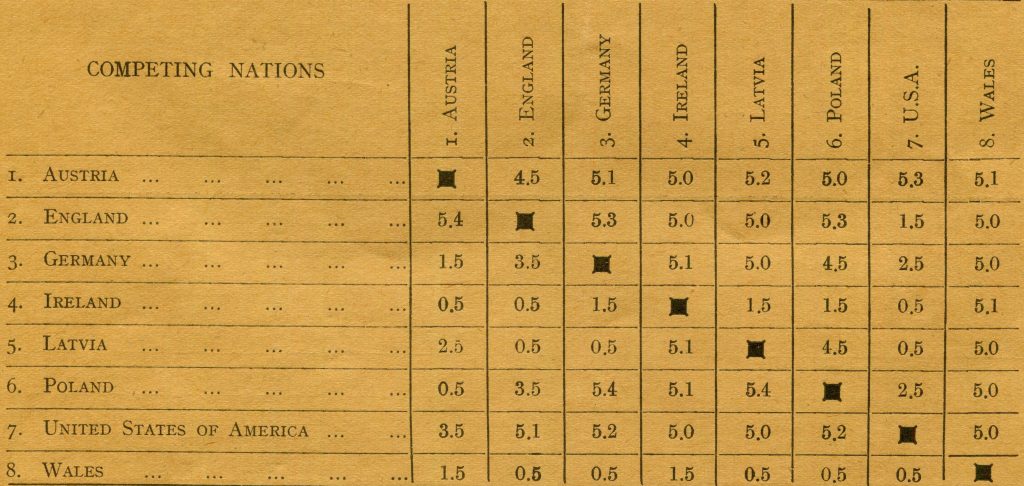
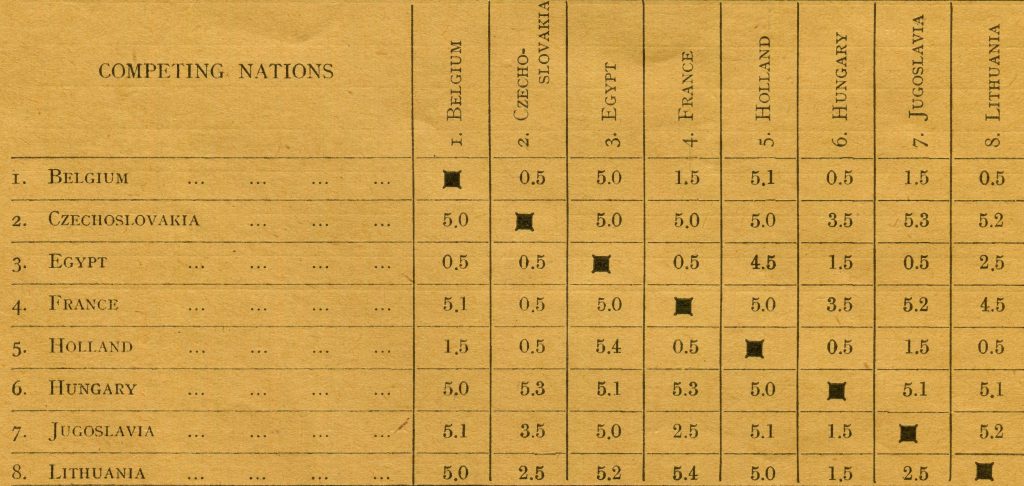
The final between Austria and Hungary took place on Monday, 31 January in the Royal Albert Hall. It was a match well worth waiting for as Hungary reclaimed the title with a 5-3 win. Laszlo Bellak for Hungary lost to Liebster but beat Bergmann, Barna beat Karl Schediwy and Liebster but lost to Bergmann and Tibor Hazi lost to Bergmann and beat Schediwy and Liebster.
Corbillon Cup
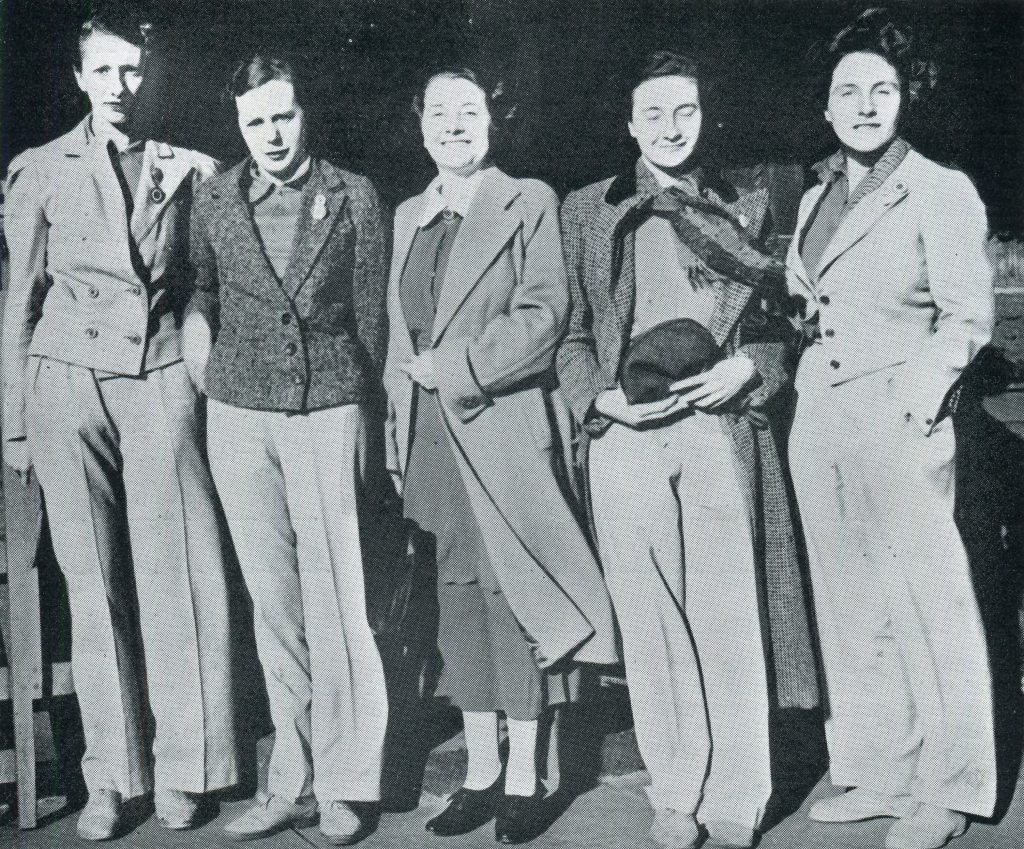
England’s was a team of four with Dora Emdin back in the team, Margaret Osborne playing once more, Doris Jordan who played last year in Baden and Phyllis Hodgkinson as a new team member. Mrs Daisy Bunbury was the non-playing captain.
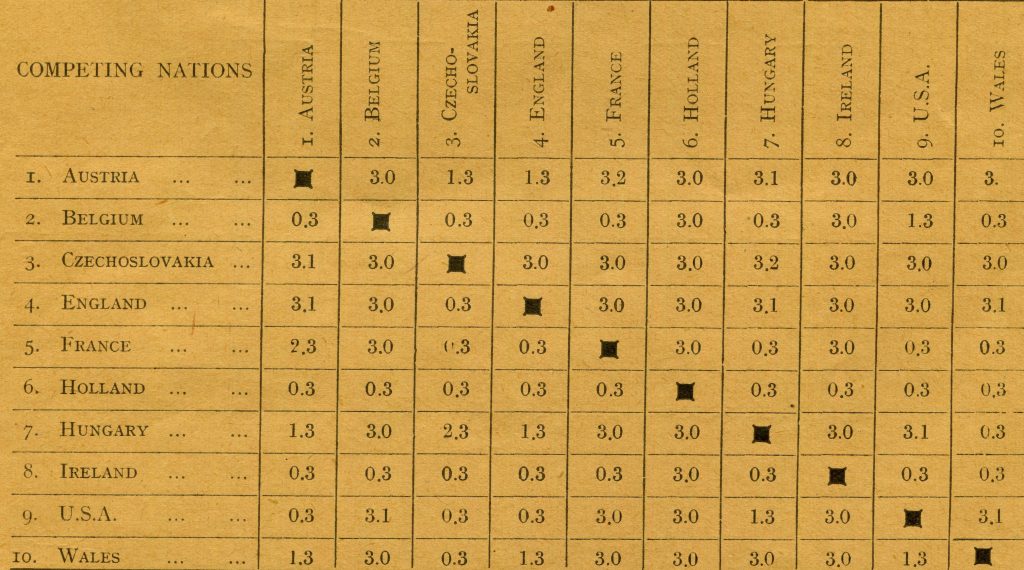
There were 10 teams with all playing all. England had eight wins – Belgium, France, Holland, Ireland and the USA all 3-0, Austria, Hungary, and Wales all 3-1. Their only loss was to the eventual champions Czechoslovakia 3-0, who regained the title they last won in Prague in 1936.
Their team was Vlasta Depetrisova, Jindriska Holoubkova, Maria Kettnerova and Vera Votrubcova. Osborne had a close match against Kettnerova losing 19, 19, Jordan lost her singles to Votrubcova 14, 17 and the doubles partnership of Osborne and Emdin went down 15,10 to Depetrisova and Votrubcova. A jubilant England team celebrated their silver medal. Dora Emdin won her three singles, Hodgkinson won her two, Jordan won six from eight, Osborne won five from eight. Doubles pairs saw Emdin and Osborne win six and lose one and Hodgkinson and Jordan won their two.
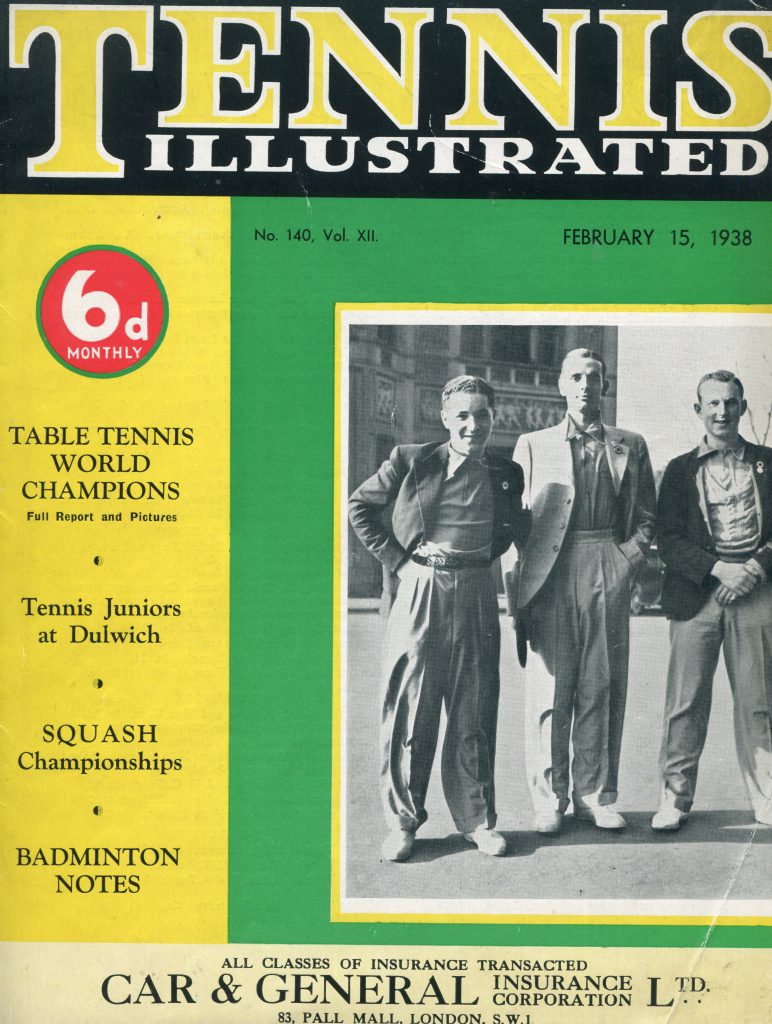
England’s players, and their captain Mrs Daisy Bunbury deserved the highest accolades for their achievement which was suitably expressed in Tennis Illustrated on 15 February 1938. “Congratulations to the women, who this year did better than ever before. In losing only to Czechoslovakia and coming second in the Corbillon Cup, they have set up a record which is hoped will never be lowered, but next year surpassed. Honours are especially due to Miss Osborne – who was the only player competing to take a game from Miss Pritzi, the world champion – and Miss Dora Emdin, though the strong support of Miss Jordan and Miss Hodgkinson must not be ignored. They played carefully, were quick to spot and take advantages of their opponent’s weaknesses, and did not fail to slam home when opportunity arose.”
Austria were third with seven wins, Hungary, Wales and the USA all had five wins and were in fourth equal place, France were seventh with three wins, Belgium eighth with two, Ireland ninth with one and Holland tenth with no wins.
Men’s Singles
There were 132 entries in the Men’s Singles and it was not a particularly good event for England players. One result to note in the first round was Maurice Goldstein’s win over Ivor Montagu 18, 15, 20.
Some big names went out in the second round with Schiff beating Alex Ehrlich (Poland) -15, 11, 26, -23, 14, Miloslav Hamr (Czechoslovakia) beating Michel Haguenauer (France) -12, 18, -17, 12, 21, Goebel beating Adrian Haydon 16, 18, 10. Others who went out in this round were Stanley Proffitt beaten by Hendry 12, 31, 14. Rosen beaten by Ferenc Soos (Hungary) 18, 14, 18. Laszlo Bellak (Hungary) beaten by McClure -13, -19, 18, 19, 13 and Bubley beaten by Vaclav Tereba (Czechoslovakia) 17, -19, 15, 14.
In the third round, Schiff beat Filby 17, 23, 20, Adolf Slar (Czechoslovakia) beat Lurie 18, 17, -21, 25, Tibor Hazi (Hungary) beat A J Wilmott 9, 14, 21 and Max Marinko (Yugoslavia) beat Hyde 19, 19, 16.
Only two Englishmen reached the round of 16, Charlie Seaman and D J Cairns. The former went out to Marinko 20, 14, 18 and the latter to Slar 8, 9, 14.
Quarter-finals resulted in Hazi, Bergmann, Bohumil Vana (Czechoslovakia) and Barna proceeding to the semi-finals. Here, Bergmann beat Hazi 12, 11, 12 and Vana beat Barna 16, 19, 17.
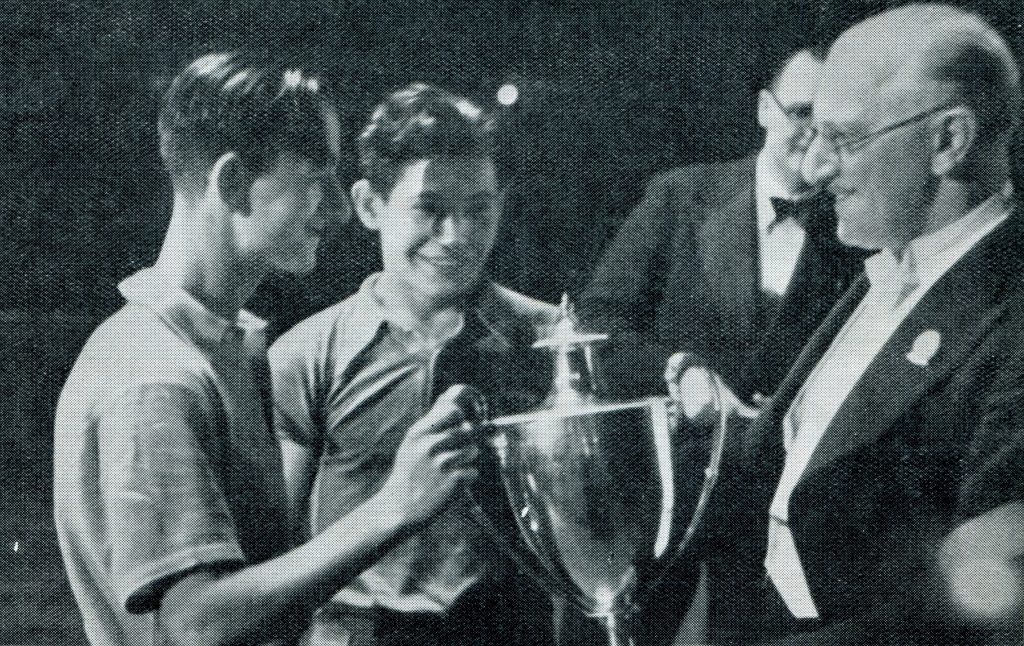
The final was an entertaining battle between Vana’s heavy topspin against Bergmann’s defence, littered with precision lobs. It was the attacking play of Vana which gave him the title -20, 9, 16, 14. Perhaps Bergmann’s efforts in the Swaythling Cup cost him the singles title. Team and individual events were played concurrently on Thursday so a player could play a team match and then move to a different table and play an individual match. Bergmann also had extra two Swaythling Cup matches for Austria, which must have had some impact.
Women’s Singles
It was a good entry of 58 in the Women’s Singles and a tough first round match for Kettnerova as she faced Trude Pritzi of Austria who had reached last year’s final, only to be disqualified as the time limit had been exceeded. Pritzi, aiming to make up for last year, dispatched Kettnerova 10, 15, 16.
In the all-England clash Connie Oustainge went out to Lilian Hutchings 16, 11, 15. 15-year-old Vera Dace was unlucky to meet Depetrisova in her first match which went in favour of the Czechoslovakian 17, 19, 4. Wendy Woodhead, who had not been selected for the Corbillon Cup team, had a good win against Magda Gal, Hungary 17, -20, 19, 17.
In the second round, although Pritzi won the match she lost her only game in the event to Hutchings with the score 17, 19, -11, 10. Hungarian Dora Beregi, later playing for England, defeated Dora Emdin in a tight match -17, 20, -17, 14, 16.
Round three and it was another clash between two of England’s top players with Osborne getting the better of Woodhead 13, -17, 9, 12. Votrubcova beat Jordan 7, 23, -20, 11, Depetrisova beat Jean Nicoll 13, 18, 14 and American Betty Henry beat Hodgkinson 21, -6, 13, 11.
Moving on to the quarter-finals Pritzi beat Osborne 16, 8, 17, Votrubcova beat Anna Sipos, Hungary 8, 17, 16, Henry beat Doris Emdin 9, 17, -19, -4, 8 and Depetrisova beat Beregi 17, 16, 13. Four different countries were represented in the semi-finals and it was Pritzi with a 13, 13, 17 win over Votrubcova, and Depetrisova with a win over Henry 11, 3, 12 who met in the final.
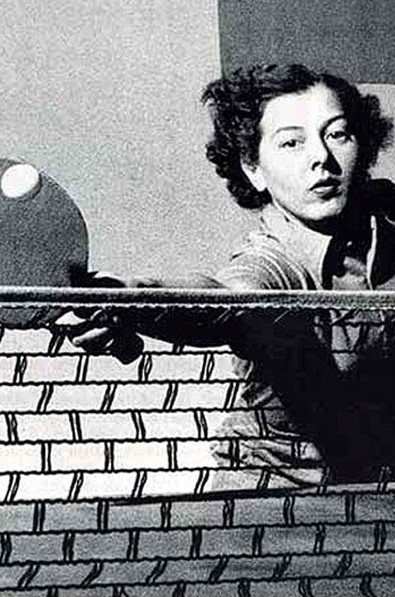
Pritzi with her solid defending may have won the match but not the hearts of the spectators who ended up “whistling and catcalling” during the long, tedious rallies. Depetrisova tried her best to bring some life into the match and was eventually worn down by Pritzi who won 13, 13, 16, the losing finalist getting more cheers than the winner.
Men’s Doubles
53 pairs entered the Men’s Doubles and there was something for England to cheer about when Filby & Lurie reached the semi-final. It was a good match but one they lost to Barna & Bellak 19, 10, -20, 14. The Hungarians nearly made it another title as they led in the final against McClure & Schiff 15-10 and 19-16 in the fifth game. However, McClure then hit six outright winners to give him his third consecutive title and Schiff his first. McClure was said to look very stylish in his blue satin trousers and red shirt.
Charlie Seaman along with Gilbert Marshall, former USA player and now of England, were the next best placed England pair reaching the round of 16. The two young players are worth mentioning, Hardman & Rosen who put up a good fight in the second round against the eventual champions with the score -18, 12, 20, 17.
Women’s Doubles
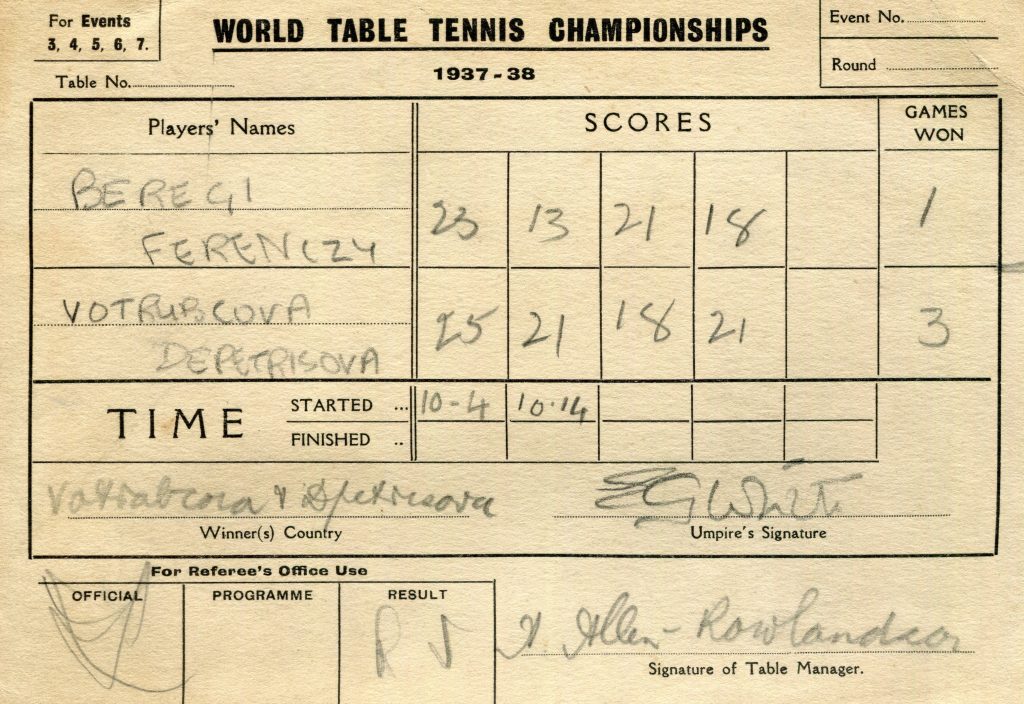
23 pairs had entered the Women’s Doubles and there was further success for England with two pairs reaching the semi-finals. In one half of the draw was Hodgkinson & Jordan and in the other Dora Emdin & Osborne. Both pairs ended with bronze medals, the former lost to Czechoslovakians Depetrisova & Votrubcova 15, 15, 8. Emdin & Osborne had a closer match but couldn’t make it over the line against Beregi & Ida Ferenczy of Hungary, the score -17, 12, 19, 18. The final went the way of the Czechoslovakians 23, 13, -18, 18
Mixed Doubles
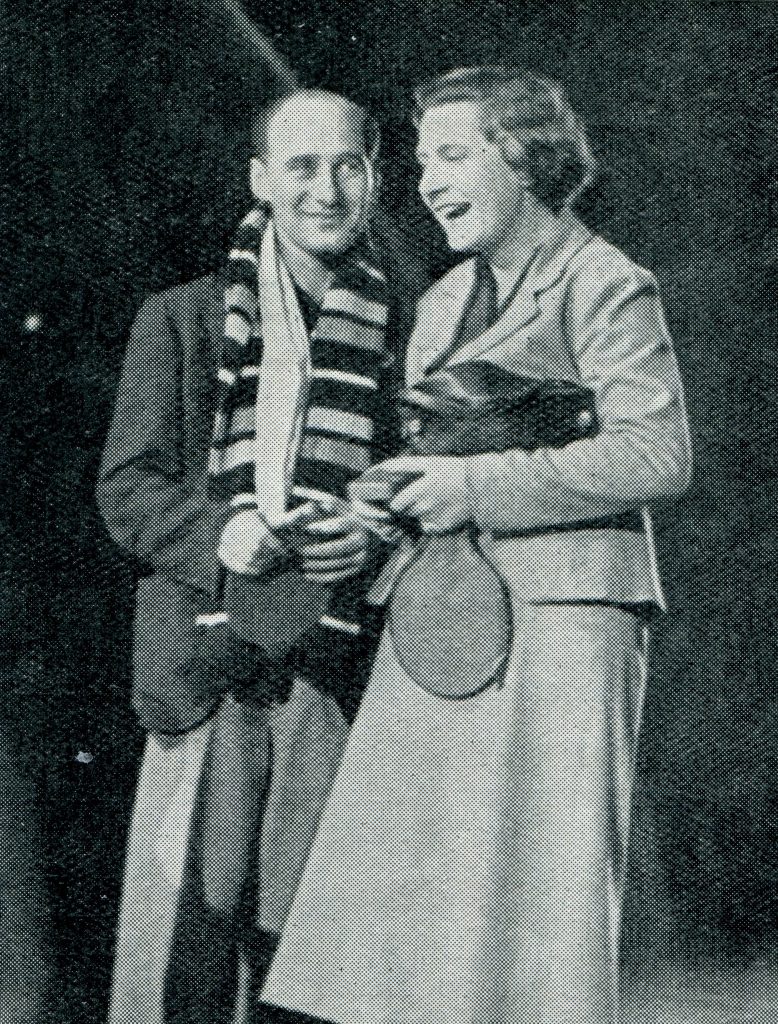
38 entries in this event and joy for England. It was an amazing result in the final against Vana & Votrubcova as the scratch pair of Laszlo Bellak (Hungary) & England’s Wendy Woodhead won the title, making Woodhead the first English lady to become a world champion. The pair had beaten Tereba & Maria Kettnerova in the semi-finals -18, 15, 15, 10. Liebster & Pritzi were the other semi-finalists and went down 17, 20, 15.
Several years later, Bellak recalled: “In 1938, two months before the World Championships in London, I wrote to my friend, Victor Barna, to find me a Mixed Doubles partner. He wrote me back that the leading English girl players were taken, but he found me a partner. Her name was Wendy Woodhead and we may go a few rounds, at least I would get some practice out of it.
When I arrived in London, I met Miss Woodhead. She was a tall girl, about 5′ 8″, which did not fit exactly my 5′ 5″ height.
“When the matches started, our first round was against Barna and Miss Emdin* (see below), one of the favourites. To my great surprise, we won in three straight. I felt a little bad about it to beat out Victor from one event, when we had no chance of winning. But somehow we kept on winning and during the matches I noticed that our game fitted perfectly together.
“She was top-spinning from both sides. This kept our opponents on the defensive and I was able to put the ball away. (At that time I was very good in that!) So I had a talk with her and told her, ‘I don’t care what kind of balls you get, you must top-spin it back.’ This she did better and better as the matches progressed. As they say, to make the story short, we found ourselves in the finals of the World Championship, against the defending champions, Vana & Votrubcova, also Vana being the singles champion.
“Well, we went five games, each pair winning when the man was serving to the woman. In the fifth I was hitting impossible shots and most of them good! My partner, Wendy, kept on top-spinning like a machine, so we were 15-all and changing service, Vana serving to my girl, Wendy. For a second I was thinking what a shame, after all this work I will wind up with another runner-up world title. (Until then, I already had 6 or 7 such titles).
“But somehow we came to 19-19 and Vana was serving to Wendy. Without any hesitation she drove the serve to the right side of the table!!! The next she smashed to the left and before I realised what happened this lovely big girl lifted me up in the air, kissed me, and we were WORLD CHAMPIONS.”
As for the other results, it was first round loss for Hardman & Z Lemo, Austria, this was to Bellak & Woodhead, Marshall & Betty Steventon went out to Hazi & Gal and Filby & Osborne lost to Hyde & Hodgkinson.
Round two resulted in several more English players exiting the event. Some of more significant names – Carlile & Dace, Haydon & Jordan, Michel Haguenauer (France) & Doris Emdin, Lurie & Hutchings.
The third round put out Bergl & Nicoll, Stennett & Marjorie Carrington, Barna & Dora Emdin (*it was this round that Bellak & Woodhead beat them), Hyde & Hodgkinson.
Conclusion
It was the best medal tally for England since the World Championships began with one gold in the Mixed Doubles, a silver in the Corbillon Cup and three bronze, two in the Women’s Doubles and one in the Men’s Doubles.
The organisation had been world class and the support from members and the public superb.
The popularity of table tennis increased considerably with 48 new leagues affiliated, bringing the total to 206 with approximately 80,000 members.
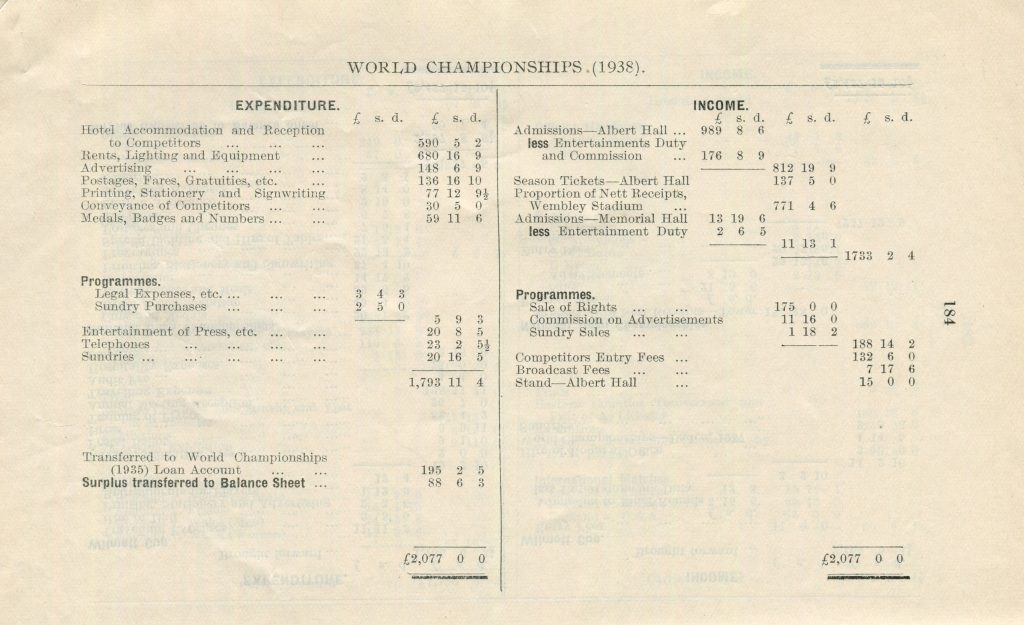
Financially, the World Championships were a success. A profit was made with total income coming to £2,077 0s 0d. Not only that but there was a surplus, which allowed the 1935 World Championships Loan Account to be cleared and put a surplus of £88 6s 3d onto the balance sheet. This more than covered the net cost of the trials of £63 14s 6d.
Congratulations all round.
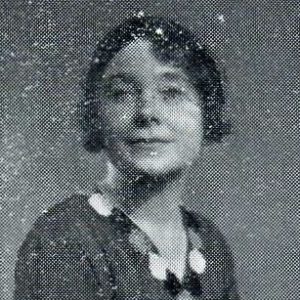
Mrs Daisy Bunbury (npc)
Daisy was born in Barton Regis, Gloucestershire on 20 January 1893. She had a very active role in developing the women’s game and was the founder and chairman of the first women’s league in the country, in Manchester. Membership of the league reached 125 with 13 clubs in Division 1. Wife of ETTA Chairman, Hugh Bunbury, Daisy also played an active part in women’s table tennis at national level. She helped initiate the ETTA Women’s Committee and was its first chairman in 1934, she also served on the ETTA Executive Committee and their Selection Committee as well as being England non-playing captain at the World Championships in 1938 and at international matches against Wales.
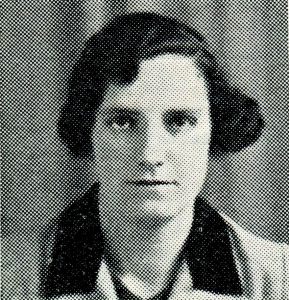
Mrs Marjorie Carrington
Born on 18 January 1911 in Islington, London. Marjorie played in the one World Championships in 1938. She gained one international cap against Wales on 22 April 1939, a fixture England won 7-2. She won Open tournaments in Bournemouth, East of England, Home Counties, Kent, South of England and Sussex. At county and local level she won the Women’s Doubles with Vera Dace at the Surrey Closed and in doubles was a title holder of East London league, North London Closed and North Middlesex Closed.
Marjorie worked as the Assistant Secretary to the ETTA both before and during the war. When the offices were bombed during the Blitz and everything destroyed, she “sat down and wept and never really forgave Mr Hitler!” Bill Vint said of Marjorie “. . . she was a tower of strength and a first-class worker . . . it was on people like Marjorie that the strength of the Association has been built”.
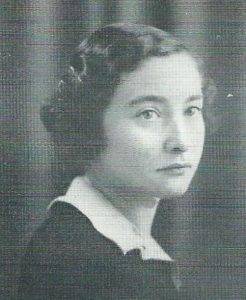
Phyllis Hodgkinson (Mrs Lauder)
A multi-talented sportswoman who played not only table tennis but hockey, tennis, badminton, cricket, squash, athletics and later bowls, all to a high level. Phyllis was born on 21 May 1910 in Hackney, London. She played in the one World Championships but in later life played in World Veteran Championships where she won three gold, two silver and one bronze medal.
At international level she won three caps against Wales as well as being a member of the silver medal Corbillon Cup team in 1938, picking up a bronze in the Women’s Doubles as well. The winner of numerous Open and Closed tournaments, Phyllis had the distinction of winning seven consecutive London Business Houses Women’s Singles, the first in 1925 and the last in 1947. During the war she played in Exhibition War Charity matches, sometimes with Victor Barna and sometimes with Richard Bergmann.
One of the founder members of the well-known Lensbury Club, Phyllis was as prominent as an administrator as a player. She held positions with Essex County TTA and was made an Honorary Life Member and was the recipient of the Corti Woodcock Memorial Award in 1978. In the Romford & DTTA she was General Secretary for 25 years and in 1992 made President, a position she held until her death in 2005. Phyllis received the ETTA Merit Award in 1983 and the Leslie Forrest Memorial Trophy in 1989.
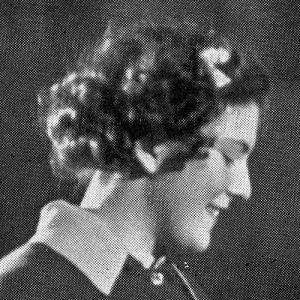
Jean Nicoll (Mrs Bostock)
Undoubtedly the best female player who never played for England. Jean was born in Harrow, Middlesex on 14 December 1922. A member of the famous Herga Club, she was as talented at tennis as she was at table tennis. She was only 15 years old when she played in the World Championships in 1938. In the Women’s Singles she lost to runner-up Vlasta Depetrisova, Czechoslovakia in the round of 16. She went out in the same round with Maurice Bergl in the Mixed Doubles losing to Tereba and Kettnerova. It was a round of 32 exit in the Women’s Doubles with Wendy Woodhead.
In the 1939 Championships in Cairo, she would have played for England. However, the ETTA decided not to send a women’s team.
At the English Open, Jean won the Women’s Singles and the Junior Girls Singles in 1938/39, in 1940 she won the Women’s Doubles with Dora Beregi, a semi-finalist in the Women’s Singles and Mixed Doubles with Richard Bergmann. Before the Second World War she won titles at the Middlesex, South of England, Surrey and Middlesex Opens, also at the London League and Wembley League Closed. After the war she continued playing at Local league level in Ipswich and won four titles there.
Her tennis prowess was equally impressive, winning all three Junior Championship titles at Wimbledon in 1939 at the age of 16 as well as reaching the semi-finals of the Ladies Doubles and the Plate Competition. Jean continued playing after the war and had further success which led to her selection for Britain in the Wightman Cup in 1946, 1947 and 1948.
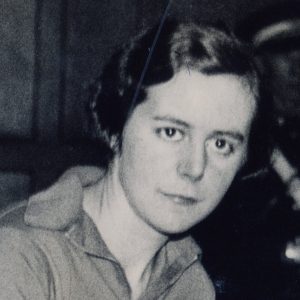
Margaret Osborne (Mrs Knott)
One of England and the world’s top players who was born in Upton-on-Severn, Worcestershire on 7 July 1913. She learnt to play on the dining room table with her brothers and didn’t join a club until 1930. Three years later she was playing for England. Her debut was against Wales on 11 February 1933. She played twice more against Wales and twice against the USA. Ranked as England number one for five years, her highest world ranking was five.
Margaret played in nine World Championships and was England Women’s team captain in four of them. She played in five Corbillon Cup teams with one silver medal, two fourth places and two fifth. As captain, England won the Corbillon Cup in 1947 and 1948, was runner-up in 1949 and third in 1951. A remarkable record. In individual events she reached three quarter-finals in the Women’s Singles, was runner-up once and a semi-finalist once in the Women’s Doubles and a semi-finalist once in the Mixed Doubles.
In the English Open, Margaret won the Women’s Singles in 1933/34 and 1934/35, the Women’s Doubles with Wendy Woodhead in 1934/35, 1936/37 and 1937/38. With Victor Barna in the Mixed Doubles she was a ripple champion, winning in 1934/35, 1935.36 and 1936/37.
Margaret had enormous success in Open Championships winning over 30 titles. She also won the Birmingham Closed Women’s Singles four times, the Women’s Doubles once and the Mixed Doubles once.
She announced her retirement from top flight table tennis in 1938 but still continued her high standard, by 1946 she had taken up tennis and was playing at county level for Warwickshire.
As well as being England’s non-playing captain for a number of years, Margaret was also a member of the ETTA Selection Committee and held the post of secretary for Birmingham City TTC. In 1983 she was the recipient of the ETTA Player Achievement Award.
Connstance ‘Connie’ Oustainage (Mrs Miles)
Born in Wembley on 25 May 1917, Connie earned one international cap when she was playing captain for England in the 1945/46 season against Wales. She played in the one World Championships in London in 1938 and three English Opens before the war. Her best result was reaching the semi-final with Steve Boros, Hungary in 1939/40. A winner of the Women’s Singles at the West Middlesex Open in 1946/47 and the West Middlesex Closed in 1938/39. Like so many players, the war years interrupted her playing days.
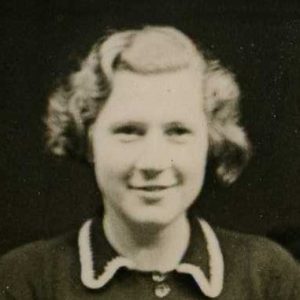
Wendy Woodhead (Mrs Burbush)
England’s first female world champion. Wendy was born in Palmers Green, London on 10 May 1916. Her first international cap was against Wales on 9 April 1932 just before her 16th birthday, she played against them four more times and twice against the USA.
Wendy played in four Corbillon Cup teams finishing fourth twice and fifth twice. However, her crowning achievement was in 1938 when she and Hungarian, Laszlo Bellak won the Mixed Doubles. One of the strongest Women’s Doubles partnerships with Margaret Osborne, the pair won a silver in 1937. Wendy’s highest England ranking was at number two with Osborne claiming the number one spot.
At the English Open there were three titles for the pair in the Women’s Doubles and one with nellie Wood. 1938/39 saw a runners-up place with Osborne in the Women’s Doubles and also a silver medal in the Mixed Doubles in 1934 with Herbert Hales and 1938 with Bellak.
The winner of nearly 30 Open titles, Wendy won the Women’s Singles at the London Closed five times from 1932/33 to 1936/37.
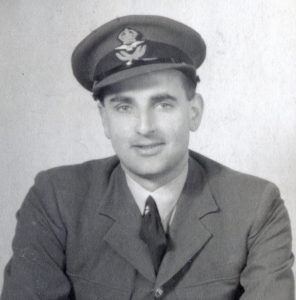
Eric Filby
Born in Kingston, Surrey on 31 May 1917, Eric played in the England Swaythling Cup team both before and after World War II. It was fifth place in 1938 and seventh in 1947. He played in international matches against Ireland, Sweden, USA and Wales, a total of five caps. Eric was ranked at number one in England in singles and doubles with Jack Rogers and 21 on the world list. He was a prolific player in Open Championships and won over 60 titles all around England. Eric also took part in several exhibition matches.
Once coaching qualifications came into being Eric qualified as an Approved County Coach in 1950/51 and an Approved Coach in 1951/52 and used this to benefit others.
He played tennis before taking up table tennis and was an excellent player, described in 1935/36 as “a junior lawn tennis star”. He became an international in that sport too and spent the summer of 1938 playing in the USA.
Eric Hardman
Eric was from Rotherham, Yorkshire where he was born on 22 July 1920. Eric originally took up boxing and although slightly built he was barred from local competition for hitting too hard, and so he turned to table tennis in 1935. It wasn’t long before he was making an impact with his England debut against Wales on 20 November 1937 and he played against them again on 21 February 1939 as well as a match against All Ireland earlier that year. Eric was the Junior Champion at the Yorkshire Closed in 1937 and the following year won the Sheffield Closed. He won titles at the Leeds Open, Mansfield Open, West Riding and was Men’s Singles winner in 1937/38 of the Sheffield Telegraph Open. His highest England ranking was at eight.
Eric, serving in the RAF, was a killed in action on 16 October 1941.
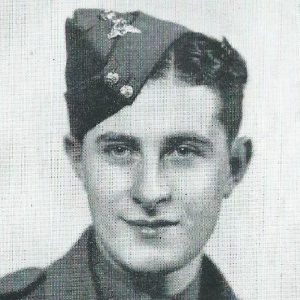
Harold ‘Harry’ Rosen
Of London, date of birth unknown. Harry’s first international appearance was against Wales on 20 November 1937; he gained another cap on 21 February 1939. At the English Open he was Junior Boys Singles runner-up in 1936. At the England trials in 1937 he finished in the top 10 but didn’t quite make the Swaythling Cup team.
The winner of several Open tournaments in the south of England, Eric had success in the London league Closed, winning the Men’s Singles in 1938/39, he also won the West Middlesex Closed title that season and after the war twice won the Willesden Closed. His highest England ranking was five.
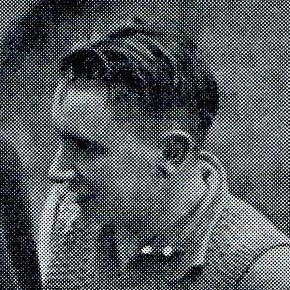
Charles ‘Charlie’ Seaman
From Sussex, Charlie was born in Brighton on 1 March 1913. Seaman gained five international caps, two against France, one against Ireland and two against Wales. His best win was against Michel Haguenauer of France.
In the World Championships in 1938 he was the last Englishman to remain in the Men’s Singles, reaching the round of 16, he reached the same round in the Men’s Doubles with Gilbert Marshall.
A stalwart of Sussex playing over 100 times for his county and winning numerous county and Brighton titles. He was made a Vice-President and an Honorary Life Member of Sussex.
In 1939, he partnered Alex Brook in the first ever table tennis exhibition on ice.
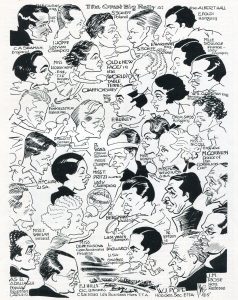
And finally, a light-hearted look at some of the players.
Latest news