

I’m absolutely buzzing about the latest events in the series — in particular, the Ping Aspire Thanet and Ping Aspire Hastings days, and how they’re helping us re-think what competition in table tennis can look like. So here’s a blog piece with energy, optimism and purpose – because this stuff matters.
The Big Picture: What’s Happening at Ping Aspire
At Ping Aspire Thanet, we saw record numbers and an atmosphere that “perfectly captured the essence” of the series: inclusivity, enjoyment and friendly competition in a supportive environment.
And over at Ping Aspire Hastings, players “of all ages and abilities” came together for “another fantastic day of table tennis” where everyone from social players to league competitors had fun, met new people and shared in the positive Aspire atmosphere.
That mix of numbers and spirit is exactly what we want to celebrate and build on.
Why We’re Piloting Ping Aspire & Why It’s Vital
As someone with 18+ years in sports development, coach education and mentoring, I believe Ping Aspire is doing something really important. Here’s how I see it:
- Lowering the barrier to entry
Traditional competitions can feel daunting: standard league formats, ranking pressure, perhaps heavy travel or big fees. Ping Aspire is different. Hastings reports: “We would like to run a couple of these events a year to give our social players an avenue into informal competition – it’s ideal!” That kind of message brings people in who might otherwise sit on the sidelines. - Bridging social play and competitive play
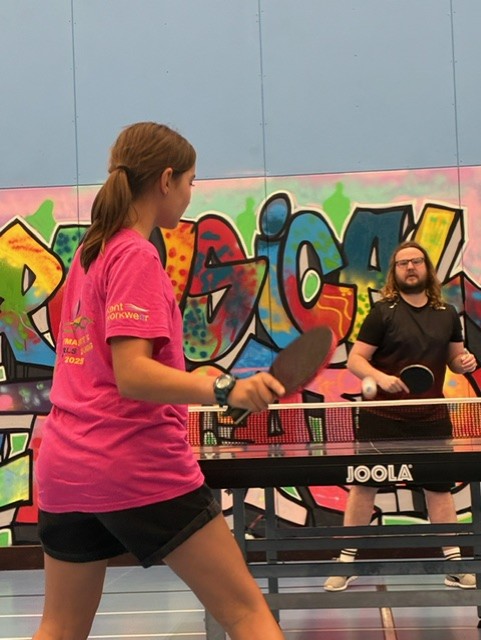
The Thanet write-up says: “junior players of varying abilities joining more experienced older hands to create an exciting blend of styles, attitudes and approaches.” This kind of cross-mixing is gold. It means we’re not just serving elite players, but creating a continuum where someone comfortable playing socially can try a friendly event, enjoy it, learn from others, and maybe step into more club or league play later. - Growing participation by meeting people where they are
For the sport to grow, we need to reach people beyond the usual suspects. If events are welcoming, local, fun, and pitched at the right level, more people will say “yes”. Hastings : “If you have ever played and want to come back, enter – and if you have never played and want to try, still do it!”. That’s the kind of invitation that opens doors. - Creating pathways
As I often emphasize in coach education, it’s about the whole ecosystem. You start socially, build confidence, find people, then you may move into club, league, volunteering, coaching. Ping Aspire can act as a gateway. The blog “A Fresh Season, Fresh Opportunities!” mentions that these Aspire events are about building bridges into the game for new faces.
Over time, that means a larger base of players → stronger clubs → vibrant competition → more retention. - Delivering value to clubs and communities
For clubs to thrive, they need participants, activity, voice. Hosting Aspire events gives a club profile, new faces in the door, perhaps new volunteers. The Thanet feature thanks the hosting club for a “well-run and welcoming” event – that reflects well both for the club and the sport.
Given all that, I truly believe a series like Ping Aspire is essential if we want to broaden the base of table tennis – make it more inclusive, more fun, less daunting, and more reflective of our vision of “table tennis for everyone”.
Reaching Across the Age Spectrum
What’s also brilliant is how the sport is being delivered at both ends of the age-demographic, showing we’re serious about “whole-person, whole-life” table tennis.
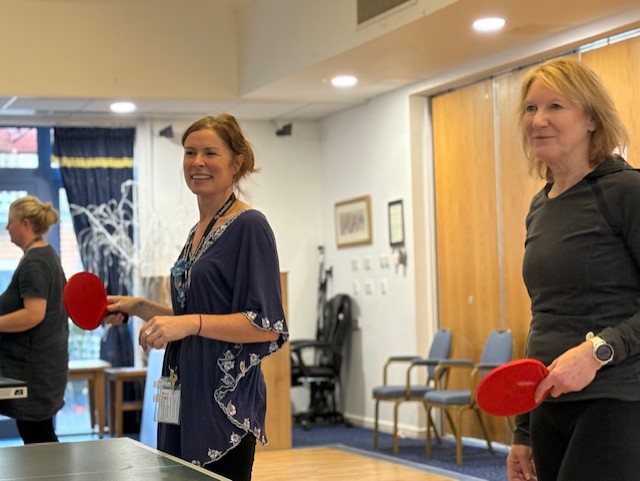
- At the other end of the spectrum from junior opens, we have the initiative in the article Table Tennis England ran with ExtraCare villages: “Table Tennis Brings Connection and Movement to ExtraCare Villages”. Staff and residents took part in a workshop designed to use table tennis as fun, accessible, social activity – improving mobility, reducing isolation. “It was wonderful to see how enthusiastic both staff and residents were. Table tennis is a simple yet powerful way to bring people together, spark movement, and create moments of joy.”
That shows we’re thinking about older adults, people who may not see themselves as “competitive players”, but can absolutely benefit from table tennis. - And back to the junior front: The Worthing Table Tennis Club “Worthing 2* sees youngsters shine” article shows young players making big strides, taking part in structured competition, growing their skills.
This demonstrates our commitment to youth pathways, competition, talent, but also underpinning it with strong coaching and volunteer structures (e.g., umpire recruitment).
By working across the full age span – from older adult socially, through to younger players in competitive settings – we strengthen our proposition: table tennis is a sport you can play for life, at whatever level, whatever your aim.
My Take-away: Why This Matters, and What We Should Do
So what does this all mean for us as a sport, for coaches, clubs and the development system? Here are some reflections and suggestions:
- Keep the welcome front and centre. The feedback from Aspire events emphasises the “friendly competition”, “relaxed and welcoming environment”. This needs to stay at the heart of the design. If we lose that, we’ll slide back into “serious competition only” mode – and lose the newcomers.
- Make sure multiple entry-points exist. Social play, community sessions (e.g., ExtraCare), friendly events like Aspire, youth star tournaments, league play. Each one serves a different audience. As someone working in development, we need courses, mentors, frameworks that support all of these.
- Clubs and coaches should see Aspire as a tool. If you’re a club, hosting or promoting an Aspire event can bring new people in, raise profile, build volunteer capacity. As a coach/coach-developer, use Aspire events to link social players into your club, use them as stepping stones.
- Build the pipeline from “fun” to “aspire”. Someone participates socially → gets interested → enters an Aspire event → joins a club → maybe plays league or volunteers. At each step we should support connection. As a coach developer, imagine resources for “post-Aspire next steps”.
- Celebrate and share stories. The articles themselves are powerful tools. The Thanet event emphasised “what makes Aspire events so special … players learning from one another”. Use these narratives in your coaching CPD, club newsletters, social media. They help others see what’s possible.
- Ensure sustainability & scale. Pilot events like this are fantastic. But for real growth, we’ll want many more, regularly in many locations, with good visibility, strong partnerships (schools, community groups, older adult networks). The “building bridges” comment is key.
In Summary
Ping Aspire is fun, bold and strategic. It allows people of different ages and abilities to compete, connect and enjoy table tennis without the usual heavy stakes. It’s helping us grow the sport sideways (social to competitive) and vertically (younger to older).
As someone deeply embedded in development, and passionate about increasing diversity in coaching and participation – I’m excited. This is exactly the kind of innovation we need.
I look forward to seeing how the next Aspire events go, and how we build on them in the coaching, club and development spaces. Contact me if you want to know more about hosting an Aspire event yourselves.
Let’s keep the table tennis energy high!