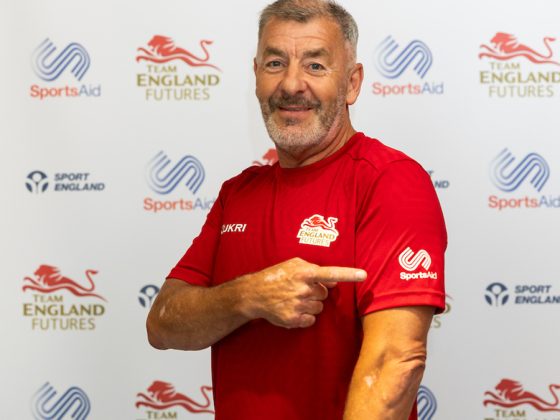
Coach Developer Steve Brunskill returned from the Commonwealth Games in Glasgow armed with crucial learnings which he plans to put into practice in the table tennis coaching community.
Steve was in Scotland as part of the Team England Futures programme, spending four days with coaches from a wide range of sports to learn more about the multi-sport environment and how to perform effectively within it.
He was nominated by Table Tennis England to participate in the initiative, the same programme which gave young athletes Isaac Kingham, Ella Pashley and Max Radiven the chance to experience the Games too.
The coaches’ programme was built around four key pillars which became the foundation for everything they experienced throughout the week:
- Understanding: How do you react in a multi-sport environment; what makes a multi-sport games different; what will you learn from the programme?
- Connecting: Build relationships with those around you; communicate effectively, especially when under pressure; work effectively in a team environment
- Performing: Being able to perform, even if conditions are sub-optimal or change unexpectedly; managing logistics; being able to observe your surroundings, not just see them
- Developing: Reflect on your experiences and learn from them; apply what you have learned
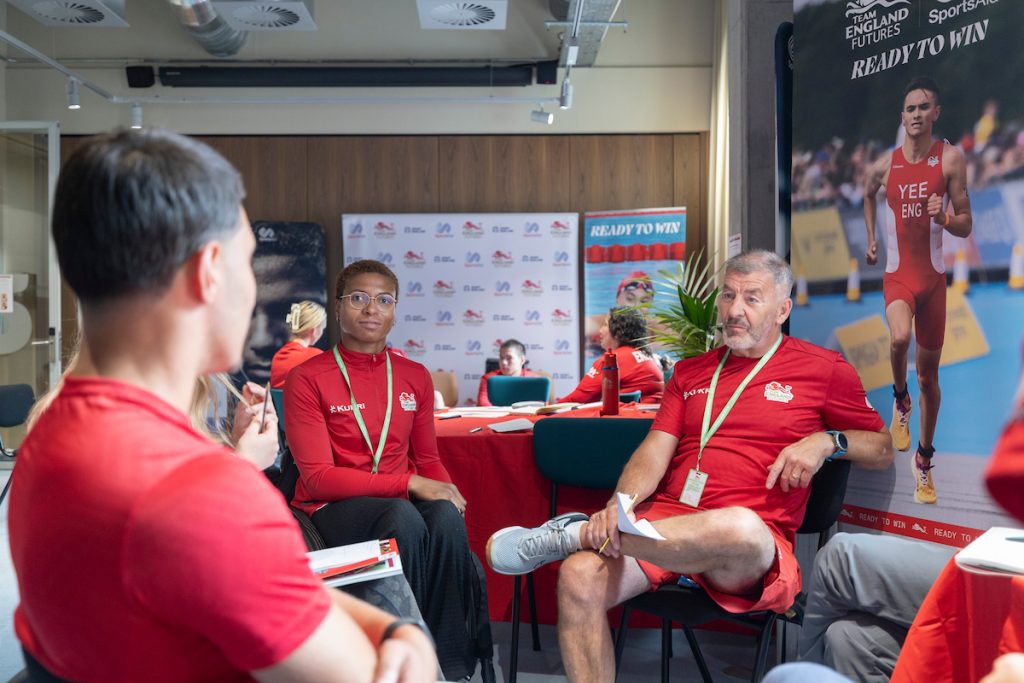
The days were often long, beginning at 7am and running through to 10pm, and consisting of workshops, observations, venue visits, reflection sessions and live sporting events.
The group visited several sports, including swimming and para swimming, boxing, basketball and wheelchair basketball.
Steve said: “From the moment we arrived it was obvious how much planning had gone into the programme. The schedule had been carefully planned but only disseminated at the last minute to try and replicate the feeling of uncertainty and chaos that comes with a multi-sport environment, whilst also having participants focus on learning, developing and making the most of the experience.
“Every part of the experience was carefully thought through, providing us with the opportunity to learn from world-class athletes, coaches, academics and performance specialists while also experiencing the atmosphere of multi-sports Games.
We looked at how athletes prepared, how coaches communicated, how support teams operated and how venues dealt with the challenges of a major Games.
“The timetable was demanding but extremely well organised, with every activity linking back to the overall purpose of developing multi-sports games ready coaches.”
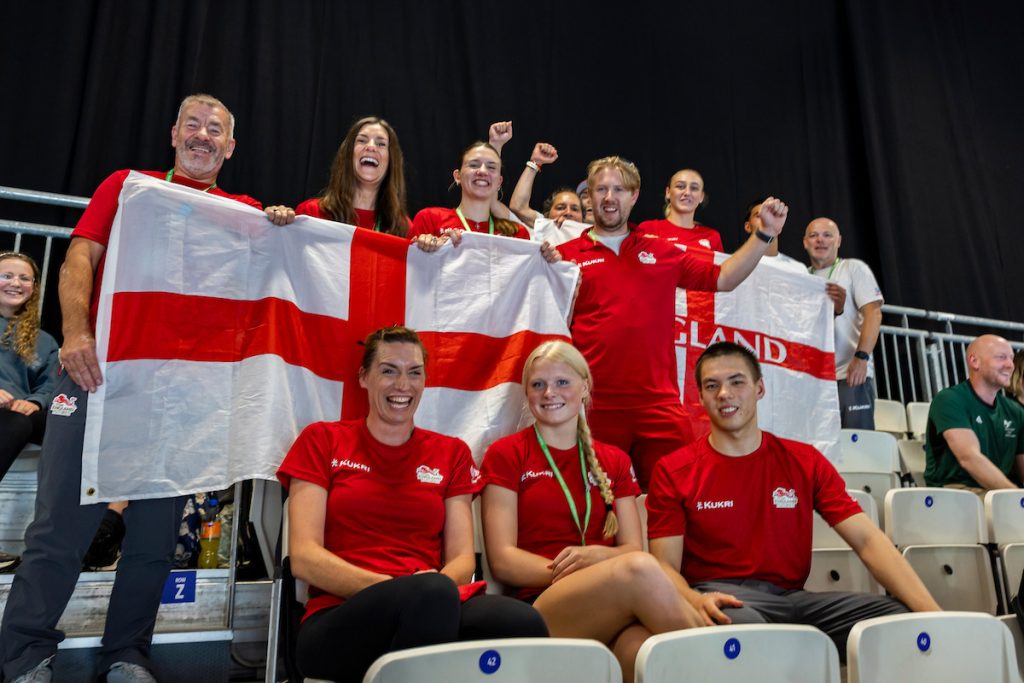
Steve, whose highlights included being in the arena for the opening ceremony, added: “Rather than simply watching sport, we were encouraged to observe the environment, body language, communication, tactical decisions, technical performance and even the things that often go unnoticed behind the scenes.
“At the end of each day we discussed our observations, shared experiences and considered how we could apply our learning within our own sports. Rather than simply asking ‘What happened?’, we explored why it happened, what worked well, what could have been improved and how we would use the learning in the future.
“One of the greatest strengths of the programme was learning alongside coaches from many different sports. Many of the challenges were exactly the same: communication, selection, relationships, confidence and helping athletes perform under pressure.
“Listening to the experiences of others reminded me that some of the best coaching ideas often come from outside our own sport.”
Steve said his biggest learning was around planning for uncertainty.
“Elite performers don’t simply prepare for when everything goes to plan. They prepare for travel delays, equipment issues, venue changes, pressure, distractions and unexpected situations,” he said.
“The more uncertainty you prepare for, the calmer and more confident you become when something unexpected happens. That lesson applies just as much to coaching as it does to competing.
“As I return to my role with Table Tennis England, I want to help coaches become better observers and encourage greater use of reflective practice and help coaches prepare for uncertainty rather than hoping everything goes exactly to plan.”
Latest news
- Equality and Diversity
'Sometimes it begins with a table tennis bat' - community group expands
- Workforce
- WTT events