Coaching tips of the month
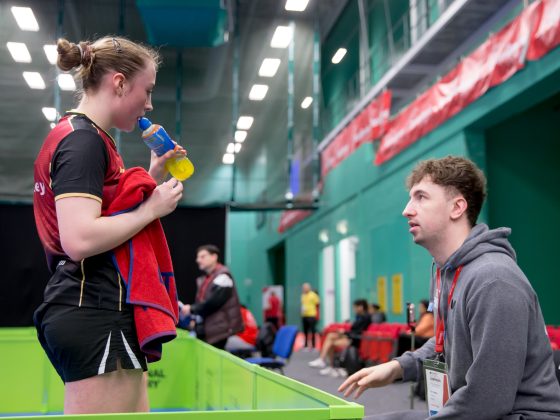
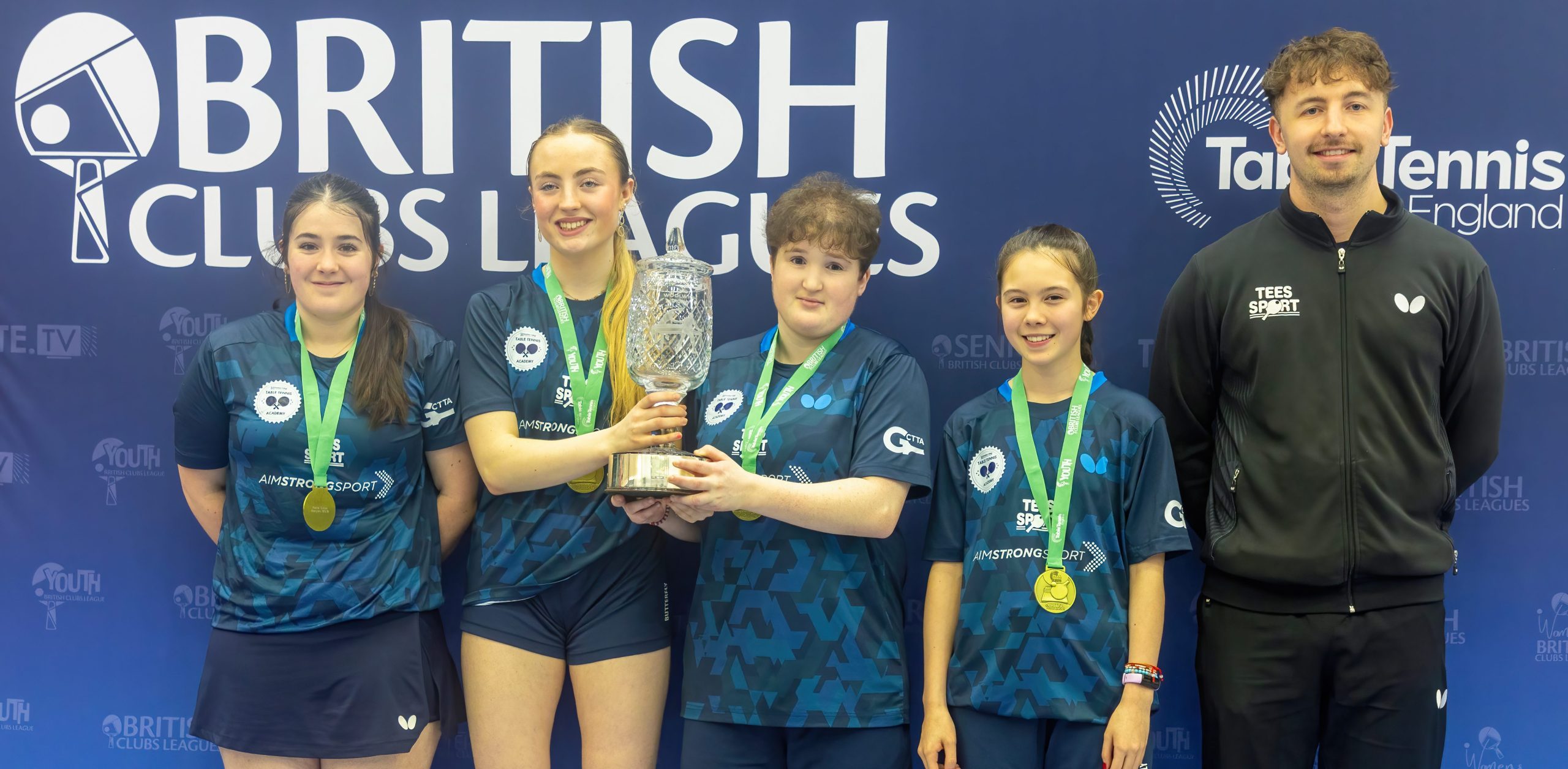
October’s monthly coaching tips also have a Grantham feel, as Aad Kwakkelstein caught up with leading UK-based coach and Grantham College Academy Head Coach, Olly Tyndall.
Olly has been coaching for around seven years and his route into coaching began while he was still playing. After returning to Archway Peterborough following his time as a player at Grantham, he realised that full-time playing was no longer the direction he wanted to take. He moved towards a combination of playing and coaching, working in schools, delivering one-to-one sessions and supporting younger players. Seeing how quickly the players improved gave him a real sense of enjoyment and a growing drive to coach. What started as a change of direction became a clear ambition – helping players develop was what he wanted to do.
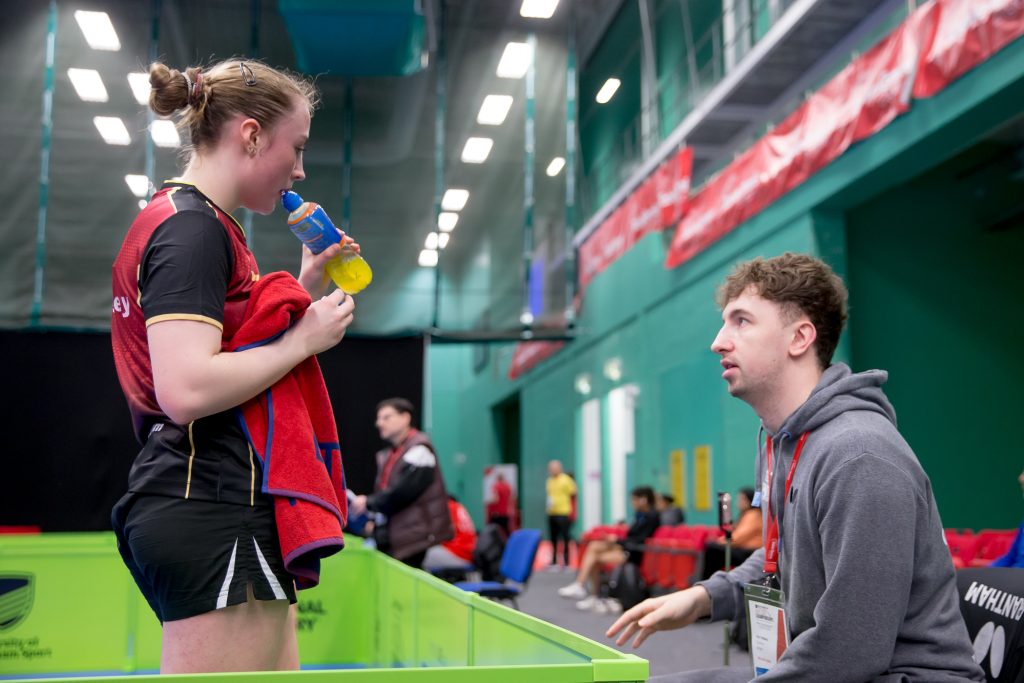
When the opportunity to step up to Head Coach at Grantham College Academy came, Olly relished the chance despite admitting it brought a further challenge, with responsibility not only for delivering sessions, but for shaping the wider development of the athletes. You can find all about Olly’s journey into coaching in his previous coaching spotlight piece here.
Following Aad and Olly’s conversation, three coaching messages stood out.
Coaching Tip 1: Coach the player, not the textbook
Olly does not want to produce players who all look or play the same. An important part of development is helping a young player identify what their game is and then learning how to maximise it.
The same principle applies to technique. An unconventional stroke is not automatically a bad stroke. The important question is whether the technique allows the player to use their strengths effectively. Olly would look to change or adapt technique when it genuinely restricts future development or potentially contributes to physical problems, rather than simply because it does not match an ideal model.
Player ownership is central to this. He described discussing equipment changes with a player who had struggled to develop his backhand topspin. Rather than simply instructing him to change, he allowed him to experiment with different options and be part of the decision. The player remains responsible for his own game, with the coach there to guide rather than dictate. The coaching message: help players understand the game they are trying to develop, give them a voice in that process, and judge technique by whether it works for the individual rather than by appearance alone.
Coaching Tip 2: Use competition as a development tool
Training and competition give players different experiences. Regular training partners become familiar and players learn their rhythms, patterns and tendencies. Competition puts them against unfamiliar opponents and introduces pressure that Olly believes cannot be fully replicated in the practice hall.
But competition should not simply be used to measure a player’s level. Olly believes coaches should be prepared to adapt a player’s competition programme according to what they currently need. A developing player who continually struggles at stronger events may benefit more from entering a lower-level competition where they can win matches and rebuild confidence.
He gave the example of potentially replacing a 4* event with a 2* after a difficult period rather than rigidly following the original tournament programme. The coaching message: choose competitions for a developmental purpose. Sometimes players need to be stretched, at other times they may need an environment in which they can experience success and rebuild confidence.
Coaching Tip 3: Have strong beliefs, but remain coachable
Perhaps the most thought-provoking part of our conversation initially sounded like a contradiction. Olly believes coaching is difficult precisely because you cannot please everybody. Players, parents and other coaches will sometimes disagree with your decisions. If a coach continually changes direction in response to that outside noise, it becomes difficult to establish a clear philosophy. Coaches therefore need the confidence to believe in what they are doing and follow their own path.
Olly made a strong point: coaches need to be coachable themselves. For him, having convictions does not mean assuming you already know everything. His visits to Sweden expose him to international coaches and different approaches, some of which he brings back and incorporates into his own coaching.
One example came from Peter Sartz, a former national-team coach in Denmark and Sweden. Rather than always progressing from warm-up through regular exercises towards the most demanding work, Olly heard an alternative approach – put demanding serve-and-receive work early in the session, when players are mentally fresh, and leave less cognitively demanding exercises until later. The idea made him reconsider when different types of practice may be most effective. That captures the balance nicely. Develop your own coaching principles and have the confidence to stand behind them, but remain curious enough to challenge how you put those principles into practice.
The best coaches, just like the players they develop, never stop learning.
Want to keep developing your own coaching skills and knowledge? Check out upcoming CPD opportunities – free with coaching membership
In-person and online CPD courses are FREE with a coaching membership! Becoming a member puts you at the heart of coaching and supports you to be the best coach you can be for your environment.
Latest news
Got a story to share?
Send us news from your club, league or school and we may feature it here.