Youngsters who have the responsibility of being carers have learned to connect, build confidence and resilience and support each other thanks to table tennis.
The Young Carers Cornwall Ping Mind project brought together a group of youngsters who care for loved ones, and got them playing table tennis.
The initiative is our Inspirational Story of the Year in the Cloudathlete Pride of Table Tennis Awards.
The citation reads:
Young Carers Cornwall Ping Mind (George, Noah, Angelina, Maria, Jack, Freya)
The Young Carers Cornwall Ping Mind group has shown how table tennis can transform lives. Ping Mind is a pilot project which combines Sports Psychology and table tennis, providing young carers with a safe space to connect, build confidence and support one another. Their journey highlights the power of the sport to create belonging, resilience and joy beyond the table, and that sports psychology techniques can be applied to a community setting to provide valuable mental well-being tools.
The project was developed through St Austell Table Tennis Club, supported by from Cornwall Council’s Community Capacity Fund.
It aimed to test whether sports psychology, traditionally associated with elite sport, could be embedded within grassroots table tennis to strengthen young people’s
- Emotional wellbeing and resilience
- Confidence and self-esteem
- Emotional regulation and coping strategies
- Positive self-talk and concentration
- Social connections and sense of belonging
It was deliberately designed to reach young people experiencing additional challenges, including caring responsibilities and socioeconomic disadvantage, which can contribute to increased emotional vulnerability.
The intention was to use table tennis as an accessible, enjoyable and non-clinical way of providing preventative mental wellbeing support.
By working with trusted community partners and trained coaches, the ambition was not simply to increase participation in sport, but to provide young carers with a positive space in which they felt valued, connected and supported, while creating pathways into continued community participation.
Ping Mind used a structured 10-week programme delivered by trained community table tennis coaches, with professional training and supervision from Sport and Exercise Psychologist Sarah Majid.
The sessions combined table tennis with eight psychological learning themes, including belonging, recognising personal strengths, resilience, managing emotions, staying calm under pressure, goal-setting, concentration and positive self-talk.
Importantly, the programme did not present itself as a clinical mental health intervention. It introduced psychological skills through an enjoyable social activity, with opportunities to practise those skills and transfer them into everyday life.
Among the youngsters on the project:
- Noah developed greater resilience when making mistakes, improved his confidence and subsequently became a full member of St Austell Table Tennis Club
- George developed a stronger sense of belonging and described the sessions as his safe space, where he could leave his stresses outside
- Angelina and Maria developed a friendship through the programme, with both demonstrating increasing engagement and confidence
Members of the project were invited to Wembley to receive the award during the London 2026 World Championships – and had the opportunity to watch an England match at OVO Arena Wembley.
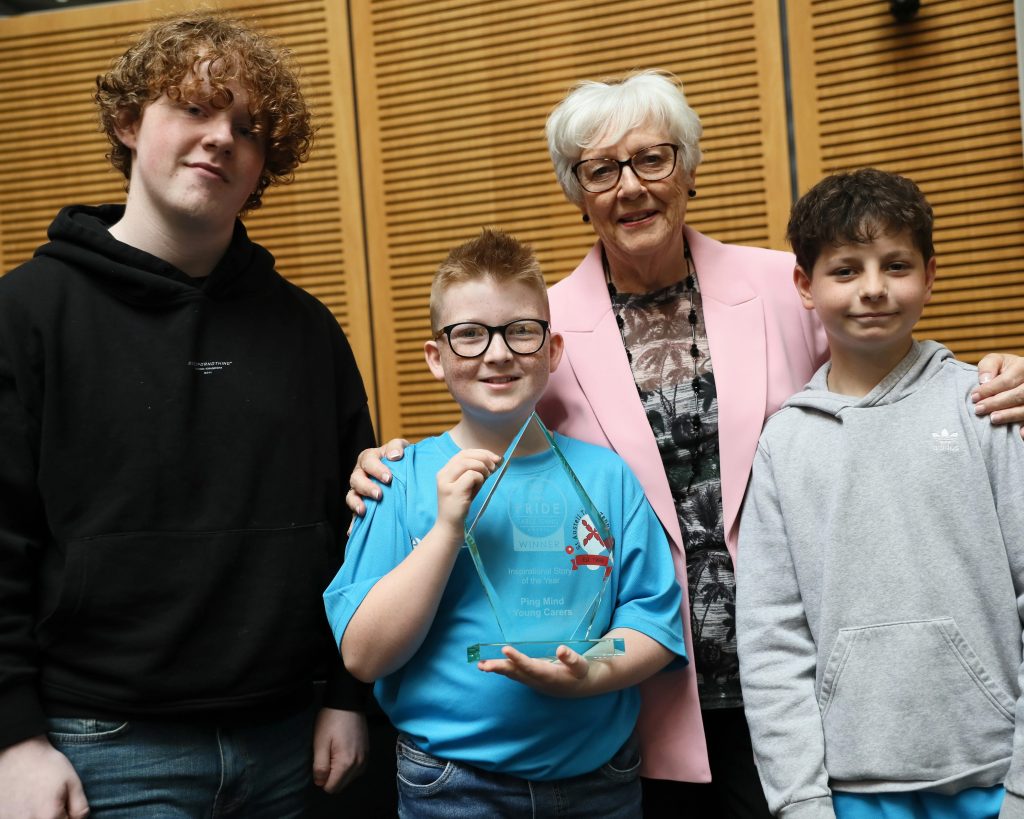
George said: “I take care of my sister and there was this thing called Ping Mind and it was actually really fun. Over time, I’ve just liked It more and more.
“It felt exciting (to win the Pride award) because I haven’t won a big award for sport before.
“If your heart desires table tennis and wants to try a new sport, go ahead. It’s a very good sport to play and fascinating to watch professionals play.”
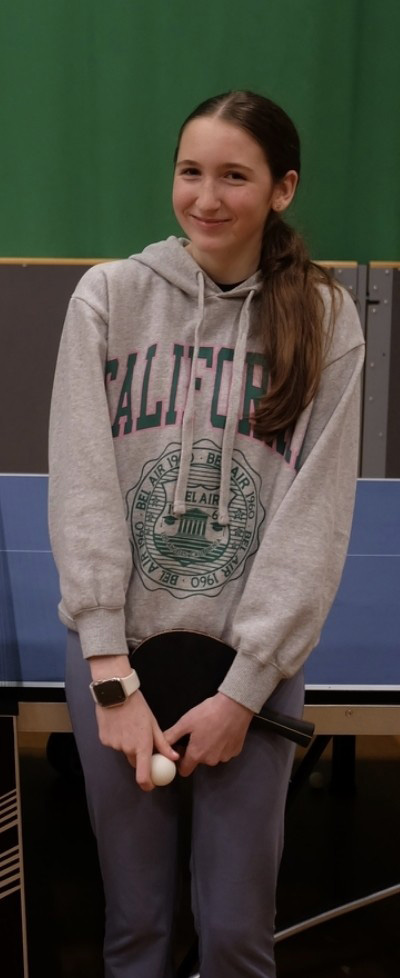
Angelina (pictured left), who is 15, said she joined the project because it’s fun and different to her usual activities.
She added: “I like doing new challenges. Some great games and activities are set up for us to improve our co-ordination and accuracy. I like building on my skill set and improving my game, and the coaches are friendly and inspiring.
“I now have table tennis skills and understand how the game works. I admire the skills of the more experienced players – something to aim for.”
Latest news
- Pride of Table Tennis
How young carers learned to build resilience at winning Pride project
- WTT events
- National