This August we take a look at two different coaches that the Table Tennis England Coach Development Team have focused on for this month’s coach spotlight, including a coaching tip from a former Senior National Champion and a local inspiring female coach.
Coach Spotlight: Lucy Curtis – from Britannia Junior to inspiring female coach
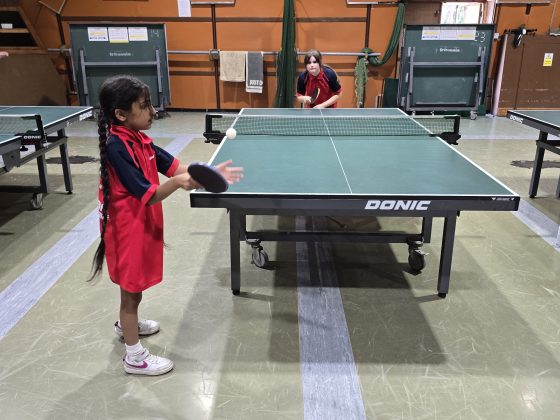
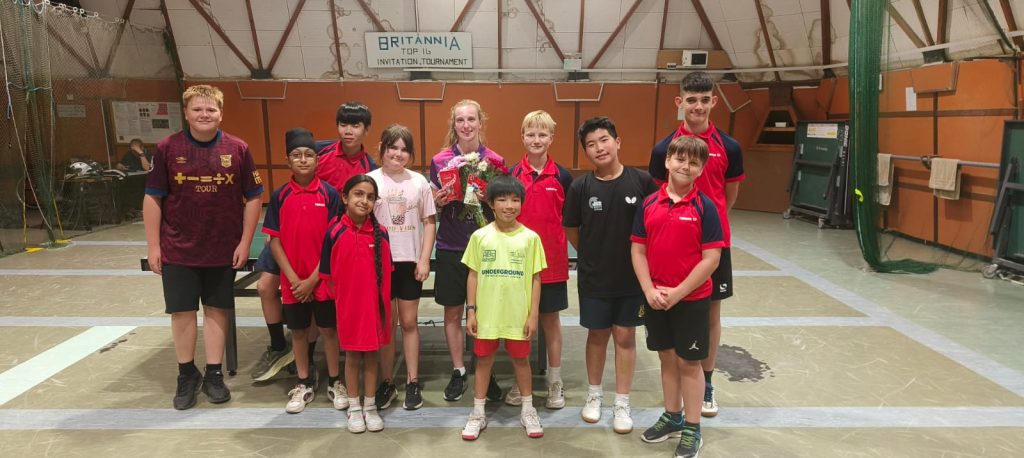
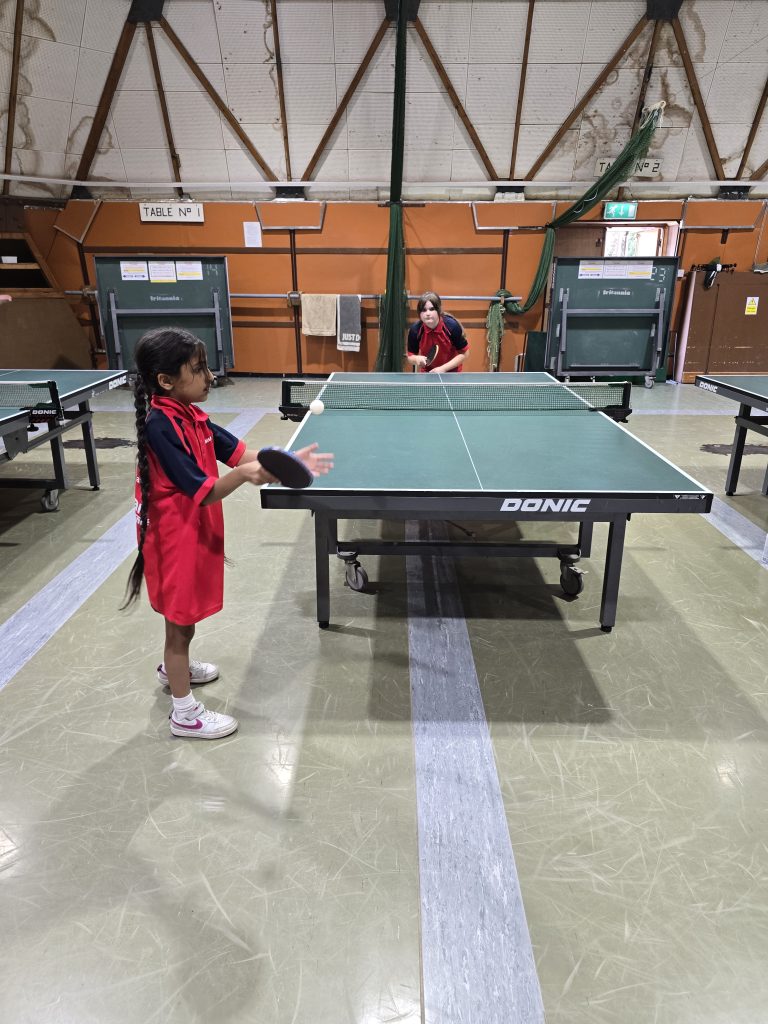
Lucy Curtis has been part of Britannia Table Tennis Club for more than a decade, joining as a shy 10 year old and growing into a confident, thoughtful coach. Her journey is unusual in English table tennis: she is one of few female coaches working in a club environment and brings a blend of academic knowledge, multi-sport experience and an athlete-centred coaching style that has made a lasting impact on young players. At Britannia, girls are integrated into the same sessions as boys, therefore Lucy’s influence is felt across the whole mixed group while also giving the girls an important female role model within that environment.
Her players describe her as “fun and active” and praise her creative sessions, especially her trademark ‘Lucy Circuits’.
Lucy began playing at primary school before joining Britannia. She recalls that the club environment has remained welcoming and consistent over the years, giving her a strong sense of belonging. This season was her first as a lead coach at Britannia, coaching an integrated mixed group with around 8–10 boys and several girls within the same session. Supported by Wayne Shaw, Lucy quickly discovered she could design far more sessions than she expected. She admitted she once panicked at university when asked to create multiple session plans, but at Britannia she surprised herself by delivering a full year of varied, engaging coaching sessions.
Lucy holds a BSc in Sport Science, Coaching and Physical Education from Loughborough University. Her degree broadened her understanding of coaching beyond technique, helping her to appreciate holistic development, questioning skills, behaviour, and reflective practice. It also gave her the language for approaches such as guided discovery, where learning comes through carefully framed challenges rather than simply being told what to do. She noted that university helped her see coaching as more than teaching strokes, it is about developing people.
Her UKCC Level 1 and Level 2 qualifications reinforced this. Level 1 emphasised fun and engagement, while Level 2 boosted her confidence, especially when demonstrating skills in front of unfamiliar people. She realised she could coach effectively and communicate clearly—something her tutors also recognised.
Lucy described her coaching style as athlete-centred, collaborative and built on a strong rapport. In coaching terms, she is drawn to guided discovery: the sweet spot between autocratic and democratic coaching, where the coach sets the direction and structure but gives players room to explore, problem solve and understand why they are doing something. Utilising questions to develop players’ thinking and adapts sessions based on what players need in the moment. Flexibility and adaptability, she says, are essential
“Sometimes you plan something and it doesn’t go according to plan, it’s okay to deviate” she said.
Lucy’s approach was also shaped by her experiences coaching girls’ football, learning how important it is to make sessions playful, active and easy to enjoy. Rather than relying on long explanations, she found that young players respond best when they are moving, laughing and learning almost without realising it. She carried that into table tennis through warmups, movement games, and ideas like ‘Lucy Circuits’ – using fun as a route into confidence, coordination and good habits.
After speaking to junior players in Lucy’s sessions, she was given lots of positive feedback – “she taught us how to move and how to do things properly and she was very fun and active”
Lucy says she has been fortunate at Britannia, where she felt supported by coaches she had known for years. She did not experience major barriers within table tennis, though she recognises that many women do. She emphasised the importance of girls having other girls around them in mixed sessions too.
As a junior, she relied on peers for warm-ups and confidence and she knows how much it helps when girls can see they are not the only ones there. She hopes her presence as a female coach gives the girls a relatable role model within that wider group – “I hope they remember my sessions as fun and me being a bit bubbly and wacky.”
Lucy says this season was one of the most pivotal moments in her life. Coaching at Britannia helped her grow not only as a coach but as a person. She learned to be adaptable, to trust her instincts, and to value feedback. She also discovered how much joy she gets from making players smile.
Lucy’s story is a powerful example of how a young player can grow into a confident, capable coach through supportive environments, strong role models and a willingness to learn. Her blend of academic insight, multi-sport experience and athlete centred coaching has enriched Britannia’s programme and inspired the next generation of girls.
Coaching tip of the month – Dan O’Connell
Dan O’Connell is an MSc Elite Coaching Practitioner and UKCC Level 4 Coach who also has an extensive playing career, including holding the Welsh number one ranking and being crowned National Champion in 2015. Dan now currently works as a full-time coach across the North West after spending time as the former United Arab Emirates National Assistant Coach.
Dan’s tip of the month for current and aspiring coaches is:
“Make sure to involve the players you work with in the decision-making process where possible. I find you’ll achieve higher levels of player motivation and buy-in if they have an input into the training content rather than just being dictated to constantly.”
Dan said as a coach he uses this even with new young players and often gives his players a choice of drills.

Latest news
- Counties and Leagues
Clacton & Dist: Buzzards halted by Brotherhood's dynamic duo
- Counties and Leagues
- Competitions
Lv and Sawant take top spots at first round of National Series